
Störnstein
Wöllershof 1, 92721 Störnstein, Deutschland
medbo District Hospital Wöllershof | Directions & Parking
The medbo District Hospital Wöllershof is not a traditional event venue but a psychiatric specialty hospital with a long tradition, park-like grounds, and a clear, campus-like structure. The location in Störnstein is one of the most important medbo addresses in the Upper Palatinate and consolidates inpatient, partial inpatient, and outpatient services in one place. Those searching for Wöllershof are usually looking for very specific things: directions, site map, parking, photos, House 14, House 13, or information on psychiatry, psychosomatics, and addiction medicine. These search intentions reflect the location particularly well, as modern medicine, historical building substance, and a quiet environment come together in a small space. For patients, relatives, visitors, and interested parties, Wöllershof is therefore both practically oriented and atmospherically remarkable. ([medbo.de](https://www.medbo.de/kliniken-einrichtungen/psychiatrie-psychotherapie/klinik-fuer-psychiatrie-psychosomatik-psychotherapie-woellershof))
Directions, Site Map, and Parking at the District Hospital Wöllershof
The official directions make the journey relatively clear. Wöllershof is accessible by train via the stops Neustadt (Waldnaab) or Altenstadt (Waldnaab); from there, buses head towards Neustadt a.d. WN and Wöllershof. By car, the route leads via the A93 from Regensburg, Weiden, or Hof, alternatively via the A6 to the Oberpfälzer Wald motorway junction and further on the A93 towards Neustadt/Waldnaab. The location explicitly recommends entering District Hospital Wöllershof for navigation. For many visitors, this combination of train, bus, and motorway access is relevant, as it makes the location easily reachable from both the Weiden area and from Regensburg and Nuremberg. ([medbo.de](https://www.medbo.de/fileadmin/Downloads/Standortinformationen/Woellershof/Flyer_Lageplan_WOE_Gesamt_Legende_240502.pdf))
On-site signage further assists. The site plan shows the main entrance, the northern access, the area for visitors, and the most important buildings on the grounds. Particularly important are HOUSE 14 as the central building with admissions, institute outpatient clinic, and day clinic, HOUSE 13 with psychosomatics and elective treatment unit, as well as the other functional buildings on the campus. A dedicated parking lot with e-charging stations is also mentioned for the elective treatment unit 13B, which is practical for visitors and accompanying persons. The general site plan also lists visitor parking on the premises and notes that building plans can be found at many locations on the site. Therefore, first-time visitors benefit from the combination of clear directions, site map, and the topographically well-visible location at the Waldnaab Upper Palatinate. ([medbo.de](https://www.medbo.de/fileadmin/Downloads/Standortinformationen/Woellershof/Flyer_Lageplan_WOE_Gesamt_Legende_240502.pdf))
Units, Places, and Treatment Focuses in Wöllershof
At the District Hospital Wöllershof, the Clinic for Psychiatry, Psychosomatics, and Psychotherapy operates with a remarkably broad care structure. Currently, there are 193 inpatient and 25 partial inpatient treatment places available, along with a psychiatric institute outpatient clinic. The associated specialty clinic for rehabilitation of addiction disorders additionally offers 31 inpatient rehabilitation places. This results in a total of 249 places at the location when considering the inpatient, partial inpatient, and rehabilitative areas together. It is particularly relevant that care is not thought of in isolation in individual units but as an interconnected system of acute treatment, day clinic, outpatient care, and rehabilitation. This is the crucial classification for inquiries regarding capacity, places, clinic size, or treatment offerings. ([medbo.de](https://www.medbo.de/kliniken-einrichtungen/psychiatrie-psychotherapie/klinik-fuer-psychiatrie-psychosomatik-psychotherapie-woellershof))
Professionally, Wöllershof is built on five pillars: General Psychiatry I, General Psychiatry II, Psychosomatics, Geriatric Medicine, and Addiction Medicine. Additionally, the clinic names various treatment focuses, including affective disorders, schizophrenia and delusional disorders, personality and behavioral disorders, trauma-related disorders, somatoform disorders, substance-related disorders, as well as organic mental disorders and sleep disorders. Diagnostics range from psychiatric history to test psychological procedures and apparatus diagnostics such as laboratory, EEG, and imaging procedures. In therapies, individual and group therapy, psychoeducational groups, discussion groups, family discussion groups, cognitive training, music group, biofeedback, medication therapy, light therapy, wake therapy, rTMS, relaxation techniques, physiotherapy, sports therapy, and occupational therapy are employed. Additionally, the location mentions a fitness room and public Wi-Fi. This shows how broad and yet structured the care is. ([medbo.de](https://www.medbo.de/kliniken-einrichtungen/psychiatrie-psychotherapie/klinik-fuer-psychiatrie-psychosomatik-psychotherapie-woellershof))
Elective Treatment Unit 13B, Comfort, and Service
A special focus of the location is the elective treatment unit 13B in HOUSE 13. It has been in operation since early 2024 and was designed as an offering for inpatient and partial inpatient patients who value peace, privacy, and a higher standard of accommodation in addition to medical treatment. The official description mentions 20 patient rooms, all designed as single rooms. These rooms are generously planned at around 25 square meters, feature floor-to-ceiling windows with views of the park-like grounds, and offer amenities such as a minibar, safe, multimedia standard, large TV, DAB audio, high-speed Wi-Fi, and barrier-free shower rooms. For SEO searches related to comfort, photos, or special impressions, this area is particularly interesting because it clearly showcases the visual and functional quality of the location. ([medbo.de](https://www.medbo.de/wahlleistung))
The service concept is also clearly focused on relief and practicality. The offerings include a restaurant named DAS STÖRNSTEIN, a breakfast buffet with regional products, lunch choices from several categories, afternoon tea time, and an evening buffet with cold dishes and a warm alternative. Additional services include patient service, tablets, assistance in organizing appointments such as physiotherapy, foot care, or hairdressing, luggage and laundry service, lounge areas with snacks and drinks, fitness offerings, sanarium, and relaxation room. The location also indicates a private parking lot with e-charging stations for this unit. Altogether, unit 13B does not appear as an isolated luxury area but as a carefully integrated part of the clinic that combines medical care, retreat options, and practical assistance. This is exactly what makes Wöllershof so unusual in the perception of many visitors: professional, calm, landscape-oriented, and yet highly functional. ([medbo.de](https://www.medbo.de/wahlleistung))
History, Old Wöllershof, and Art Nouveau
The history of Wöllershof goes back a long way and explains why the location still appears so independent today. According to medbo, the development began in 1906 with the decision to relieve the Regensburg healing and care institution by establishing another location in the Upper Palatinate. Between 1909 and 1911, a healing and care institution for 300 patients was built in Wöllershof. The choice fell, among other reasons, due to a healthy water source on the site. The area was constructed in the style of the then-modern Art Nouveau or late Art Nouveau with pavilion architecture. This architectural idea is still recognizable today in Old Wöllershof and the scattered villas. The facility is thus remarkable not only medically but also architecturally. It was initially planned as the second psychiatric facility in the Upper Palatinate on the current site and later developed into a defining center for regional care. ([medbo.de](https://www.medbo.de/unternehmen/medbo-einblicke/medbo-zeitreise/geschichte-woellershof))
The later history is just as multifaceted as it is moving. After phases as a children's recovery home, barracks, Reichsfinanzschule, and reserve hospital, the site was used differently after the war before the district of Upper Palatinate took over the hospital in 1978 and further developed it as a psychiatric specialty hospital. In 1963, the simultaneous chapel was built on the premises, which still serves as a hospital church today. In 1983, a specialty clinic for inpatient addiction rehabilitation was established, which occupied HOUSE 19. An important milestone was the inauguration of HOUSE 14 in 2011 with 128 beds and a psychiatric institute outpatient clinic. HOUSE 11 followed in 2018 as a new psychiatric nursing home, HOUSE 13 was opened in 2024, and by the end of the year, a psychiatric-psychotherapeutic day clinic was added in HOUSE 14. Wöllershof is thus a location that does not museally preserve its history but continually translates it into modern care. ([medbo.de](https://www.medbo.de/unternehmen/medbo-einblicke/medbo-zeitreise/geschichte-woellershof))
Festive Hall, Café, and Events in Wöllershof
Those who only associate Wöllershof with hospital operations quickly overlook the places of encounter on the grounds. A good example is the Café Lebenshilfe, which has been operated directly in the historic festive hall building of Old Wöllershof since 2012. It is located at the central piazza in front of HOUSE 14, at Maria-Seltmann-Platz, and explicitly sees itself as a meeting point for patients, visitors, staff, and also for people from the neighborhood. The location describes it as a cozy place for coffee, newspapers, small purchases, and appointments. The opening hours from Monday to Sunday, as well as on holidays, show that this place plays a real role in the everyday life of the campus. This is particularly important for inquiries regarding café, festive hall, encounter, or Old Wöllershof, as it showcases the social face of the location. ([medbo.de](https://www.medbo.de/patientinnen-angehoerige/zu-besuch-in-der-medbo/cafe-lebenshilfe-woellershof))
The event aspect is also visible at the location. The medbo series Wöllershofer Gespräche regularly addresses medical topics and utilizes, among other venues, the Old Festive Hall. A professional day on rehabilitation titled Dependency PLUS is scheduled for September 16, 2026, in the Old Festive Hall, including expert lectures, personal reports, and a tour of the specialty clinic for rehabilitation of addiction disorders. This shows that the location is not only a treatment place but also a place of exchange for professionals, self-help, relatives, and interested parties. Such events fit well with a location where psychiatry, psychosomatic care, and addiction rehabilitation are closely interconnected. Therefore, those searching for Wöllershofer Gespräche, festive hall, or program will not find a classic cultural house but certainly a place with recurring professional formats and a lively communication culture. ([medbo.de](https://www.medbo.de/unternehmen/veranstaltungen/medbo-veranstaltungsreihen/visite/woellershofer-gespraeche-abhaengigkeit-plus))
Photos, Images, and the First Impression of Wöllershof
For the search intention photos or images, Wöllershof is also well positioned, but not in the sense of a classic gallery, but through official image materials and location brochures. The medbo provides an image brochure for Wöllershof among the site information, in addition to a brochure on the clinic's history and further documents for the elective treatment unit 13B. The current clinic pages also include numerous images from HOUSE 13, HOUSE 14, the park, therapy areas, and lounges. This allows the location to be visually captured very well without having to be on-site. This is important for SEO searches because users often want to gain a visual impression first before dealing with directions, admissions, or treatment. ([medbo.de](https://www.medbo.de/unternehmen/medbo-einblicke/broschueren-downloads/standortinformationen))
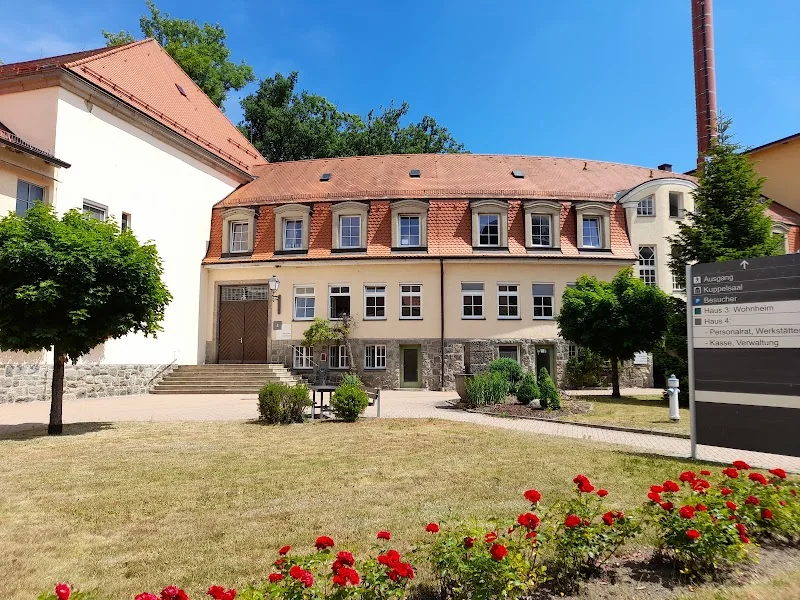
The overall visual impression of Wöllershof is characterized by contrasts that make the location unique. On one side are Art Nouveau villas, park landscapes, old and new hospital buildings, and the historic festive hall. On the other side are HOUSE 13 and HOUSE 14 as modern care buildings with clear functions, bright interiors, and contemporary infrastructure. This mixture explains why Wöllershof often appears in search queries together with photos, images, site map, House 14, House 13, or Störnstein. Therefore, those who want to get a picture should not only look for a single viewpoint but understand the entire grounds as an ensemble: medically capable, architecturally evolved, and landscape-wise calm. This makes Wöllershof a location that appears friendly, orderly, and historically profound in photos. ([medbo.de](https://www.medbo.de/unternehmen/medbo-einblicke/medbo-zeitreise/geschichte-woellershof))
For visitors, this impression is more than just a backdrop. It helps to read the location: Where is the entrance, where are the central buildings, where is the elective treatment unit, and where are the rooms for encounters and events? That is why images and site maps are so closely linked here. Those visiting Wöllershof for the first time benefit from the spatial clarity of the campus and the many visual reference points on the grounds. The location thus appears open but not confusing, historical but not outdated, and medically demanding without seeming distant. This balance is likely one of the reasons why Wöllershof remains so relevant for patients and relatives as well as for professionals and seekers online. ([medbo.de](https://www.medbo.de/fileadmin/Downloads/Standortinformationen/Woellershof/Flyer_Lageplan_WOE_Gesamt_Legende_240502.pdf))
Sources:
Mehr anzeigenWeniger anzeigen
medbo District Hospital Wöllershof | Directions & Parking
The medbo District Hospital Wöllershof is not a traditional event venue but a psychiatric specialty hospital with a long tradition, park-like grounds, and a clear, campus-like structure. The location in Störnstein is one of the most important medbo addresses in the Upper Palatinate and consolidates inpatient, partial inpatient, and outpatient services in one place. Those searching for Wöllershof are usually looking for very specific things: directions, site map, parking, photos, House 14, House 13, or information on psychiatry, psychosomatics, and addiction medicine. These search intentions reflect the location particularly well, as modern medicine, historical building substance, and a quiet environment come together in a small space. For patients, relatives, visitors, and interested parties, Wöllershof is therefore both practically oriented and atmospherically remarkable. ([medbo.de](https://www.medbo.de/kliniken-einrichtungen/psychiatrie-psychotherapie/klinik-fuer-psychiatrie-psychosomatik-psychotherapie-woellershof))
Directions, Site Map, and Parking at the District Hospital Wöllershof
The official directions make the journey relatively clear. Wöllershof is accessible by train via the stops Neustadt (Waldnaab) or Altenstadt (Waldnaab); from there, buses head towards Neustadt a.d. WN and Wöllershof. By car, the route leads via the A93 from Regensburg, Weiden, or Hof, alternatively via the A6 to the Oberpfälzer Wald motorway junction and further on the A93 towards Neustadt/Waldnaab. The location explicitly recommends entering District Hospital Wöllershof for navigation. For many visitors, this combination of train, bus, and motorway access is relevant, as it makes the location easily reachable from both the Weiden area and from Regensburg and Nuremberg. ([medbo.de](https://www.medbo.de/fileadmin/Downloads/Standortinformationen/Woellershof/Flyer_Lageplan_WOE_Gesamt_Legende_240502.pdf))
On-site signage further assists. The site plan shows the main entrance, the northern access, the area for visitors, and the most important buildings on the grounds. Particularly important are HOUSE 14 as the central building with admissions, institute outpatient clinic, and day clinic, HOUSE 13 with psychosomatics and elective treatment unit, as well as the other functional buildings on the campus. A dedicated parking lot with e-charging stations is also mentioned for the elective treatment unit 13B, which is practical for visitors and accompanying persons. The general site plan also lists visitor parking on the premises and notes that building plans can be found at many locations on the site. Therefore, first-time visitors benefit from the combination of clear directions, site map, and the topographically well-visible location at the Waldnaab Upper Palatinate. ([medbo.de](https://www.medbo.de/fileadmin/Downloads/Standortinformationen/Woellershof/Flyer_Lageplan_WOE_Gesamt_Legende_240502.pdf))
Units, Places, and Treatment Focuses in Wöllershof
At the District Hospital Wöllershof, the Clinic for Psychiatry, Psychosomatics, and Psychotherapy operates with a remarkably broad care structure. Currently, there are 193 inpatient and 25 partial inpatient treatment places available, along with a psychiatric institute outpatient clinic. The associated specialty clinic for rehabilitation of addiction disorders additionally offers 31 inpatient rehabilitation places. This results in a total of 249 places at the location when considering the inpatient, partial inpatient, and rehabilitative areas together. It is particularly relevant that care is not thought of in isolation in individual units but as an interconnected system of acute treatment, day clinic, outpatient care, and rehabilitation. This is the crucial classification for inquiries regarding capacity, places, clinic size, or treatment offerings. ([medbo.de](https://www.medbo.de/kliniken-einrichtungen/psychiatrie-psychotherapie/klinik-fuer-psychiatrie-psychosomatik-psychotherapie-woellershof))
Professionally, Wöllershof is built on five pillars: General Psychiatry I, General Psychiatry II, Psychosomatics, Geriatric Medicine, and Addiction Medicine. Additionally, the clinic names various treatment focuses, including affective disorders, schizophrenia and delusional disorders, personality and behavioral disorders, trauma-related disorders, somatoform disorders, substance-related disorders, as well as organic mental disorders and sleep disorders. Diagnostics range from psychiatric history to test psychological procedures and apparatus diagnostics such as laboratory, EEG, and imaging procedures. In therapies, individual and group therapy, psychoeducational groups, discussion groups, family discussion groups, cognitive training, music group, biofeedback, medication therapy, light therapy, wake therapy, rTMS, relaxation techniques, physiotherapy, sports therapy, and occupational therapy are employed. Additionally, the location mentions a fitness room and public Wi-Fi. This shows how broad and yet structured the care is. ([medbo.de](https://www.medbo.de/kliniken-einrichtungen/psychiatrie-psychotherapie/klinik-fuer-psychiatrie-psychosomatik-psychotherapie-woellershof))
Elective Treatment Unit 13B, Comfort, and Service
A special focus of the location is the elective treatment unit 13B in HOUSE 13. It has been in operation since early 2024 and was designed as an offering for inpatient and partial inpatient patients who value peace, privacy, and a higher standard of accommodation in addition to medical treatment. The official description mentions 20 patient rooms, all designed as single rooms. These rooms are generously planned at around 25 square meters, feature floor-to-ceiling windows with views of the park-like grounds, and offer amenities such as a minibar, safe, multimedia standard, large TV, DAB audio, high-speed Wi-Fi, and barrier-free shower rooms. For SEO searches related to comfort, photos, or special impressions, this area is particularly interesting because it clearly showcases the visual and functional quality of the location. ([medbo.de](https://www.medbo.de/wahlleistung))
The service concept is also clearly focused on relief and practicality. The offerings include a restaurant named DAS STÖRNSTEIN, a breakfast buffet with regional products, lunch choices from several categories, afternoon tea time, and an evening buffet with cold dishes and a warm alternative. Additional services include patient service, tablets, assistance in organizing appointments such as physiotherapy, foot care, or hairdressing, luggage and laundry service, lounge areas with snacks and drinks, fitness offerings, sanarium, and relaxation room. The location also indicates a private parking lot with e-charging stations for this unit. Altogether, unit 13B does not appear as an isolated luxury area but as a carefully integrated part of the clinic that combines medical care, retreat options, and practical assistance. This is exactly what makes Wöllershof so unusual in the perception of many visitors: professional, calm, landscape-oriented, and yet highly functional. ([medbo.de](https://www.medbo.de/wahlleistung))
History, Old Wöllershof, and Art Nouveau
The history of Wöllershof goes back a long way and explains why the location still appears so independent today. According to medbo, the development began in 1906 with the decision to relieve the Regensburg healing and care institution by establishing another location in the Upper Palatinate. Between 1909 and 1911, a healing and care institution for 300 patients was built in Wöllershof. The choice fell, among other reasons, due to a healthy water source on the site. The area was constructed in the style of the then-modern Art Nouveau or late Art Nouveau with pavilion architecture. This architectural idea is still recognizable today in Old Wöllershof and the scattered villas. The facility is thus remarkable not only medically but also architecturally. It was initially planned as the second psychiatric facility in the Upper Palatinate on the current site and later developed into a defining center for regional care. ([medbo.de](https://www.medbo.de/unternehmen/medbo-einblicke/medbo-zeitreise/geschichte-woellershof))
The later history is just as multifaceted as it is moving. After phases as a children's recovery home, barracks, Reichsfinanzschule, and reserve hospital, the site was used differently after the war before the district of Upper Palatinate took over the hospital in 1978 and further developed it as a psychiatric specialty hospital. In 1963, the simultaneous chapel was built on the premises, which still serves as a hospital church today. In 1983, a specialty clinic for inpatient addiction rehabilitation was established, which occupied HOUSE 19. An important milestone was the inauguration of HOUSE 14 in 2011 with 128 beds and a psychiatric institute outpatient clinic. HOUSE 11 followed in 2018 as a new psychiatric nursing home, HOUSE 13 was opened in 2024, and by the end of the year, a psychiatric-psychotherapeutic day clinic was added in HOUSE 14. Wöllershof is thus a location that does not museally preserve its history but continually translates it into modern care. ([medbo.de](https://www.medbo.de/unternehmen/medbo-einblicke/medbo-zeitreise/geschichte-woellershof))
Festive Hall, Café, and Events in Wöllershof
Those who only associate Wöllershof with hospital operations quickly overlook the places of encounter on the grounds. A good example is the Café Lebenshilfe, which has been operated directly in the historic festive hall building of Old Wöllershof since 2012. It is located at the central piazza in front of HOUSE 14, at Maria-Seltmann-Platz, and explicitly sees itself as a meeting point for patients, visitors, staff, and also for people from the neighborhood. The location describes it as a cozy place for coffee, newspapers, small purchases, and appointments. The opening hours from Monday to Sunday, as well as on holidays, show that this place plays a real role in the everyday life of the campus. This is particularly important for inquiries regarding café, festive hall, encounter, or Old Wöllershof, as it showcases the social face of the location. ([medbo.de](https://www.medbo.de/patientinnen-angehoerige/zu-besuch-in-der-medbo/cafe-lebenshilfe-woellershof))
The event aspect is also visible at the location. The medbo series Wöllershofer Gespräche regularly addresses medical topics and utilizes, among other venues, the Old Festive Hall. A professional day on rehabilitation titled Dependency PLUS is scheduled for September 16, 2026, in the Old Festive Hall, including expert lectures, personal reports, and a tour of the specialty clinic for rehabilitation of addiction disorders. This shows that the location is not only a treatment place but also a place of exchange for professionals, self-help, relatives, and interested parties. Such events fit well with a location where psychiatry, psychosomatic care, and addiction rehabilitation are closely interconnected. Therefore, those searching for Wöllershofer Gespräche, festive hall, or program will not find a classic cultural house but certainly a place with recurring professional formats and a lively communication culture. ([medbo.de](https://www.medbo.de/unternehmen/veranstaltungen/medbo-veranstaltungsreihen/visite/woellershofer-gespraeche-abhaengigkeit-plus))
Photos, Images, and the First Impression of Wöllershof
For the search intention photos or images, Wöllershof is also well positioned, but not in the sense of a classic gallery, but through official image materials and location brochures. The medbo provides an image brochure for Wöllershof among the site information, in addition to a brochure on the clinic's history and further documents for the elective treatment unit 13B. The current clinic pages also include numerous images from HOUSE 13, HOUSE 14, the park, therapy areas, and lounges. This allows the location to be visually captured very well without having to be on-site. This is important for SEO searches because users often want to gain a visual impression first before dealing with directions, admissions, or treatment. ([medbo.de](https://www.medbo.de/unternehmen/medbo-einblicke/broschueren-downloads/standortinformationen))
The overall visual impression of Wöllershof is characterized by contrasts that make the location unique. On one side are Art Nouveau villas, park landscapes, old and new hospital buildings, and the historic festive hall. On the other side are HOUSE 13 and HOUSE 14 as modern care buildings with clear functions, bright interiors, and contemporary infrastructure. This mixture explains why Wöllershof often appears in search queries together with photos, images, site map, House 14, House 13, or Störnstein. Therefore, those who want to get a picture should not only look for a single viewpoint but understand the entire grounds as an ensemble: medically capable, architecturally evolved, and landscape-wise calm. This makes Wöllershof a location that appears friendly, orderly, and historically profound in photos. ([medbo.de](https://www.medbo.de/unternehmen/medbo-einblicke/medbo-zeitreise/geschichte-woellershof))
For visitors, this impression is more than just a backdrop. It helps to read the location: Where is the entrance, where are the central buildings, where is the elective treatment unit, and where are the rooms for encounters and events? That is why images and site maps are so closely linked here. Those visiting Wöllershof for the first time benefit from the spatial clarity of the campus and the many visual reference points on the grounds. The location thus appears open but not confusing, historical but not outdated, and medically demanding without seeming distant. This balance is likely one of the reasons why Wöllershof remains so relevant for patients and relatives as well as for professionals and seekers online. ([medbo.de](https://www.medbo.de/fileadmin/Downloads/Standortinformationen/Woellershof/Flyer_Lageplan_WOE_Gesamt_Legende_240502.pdf))
Sources:
Frequently Asked Questions
Reviews
No reviews found