
Édouard Louis
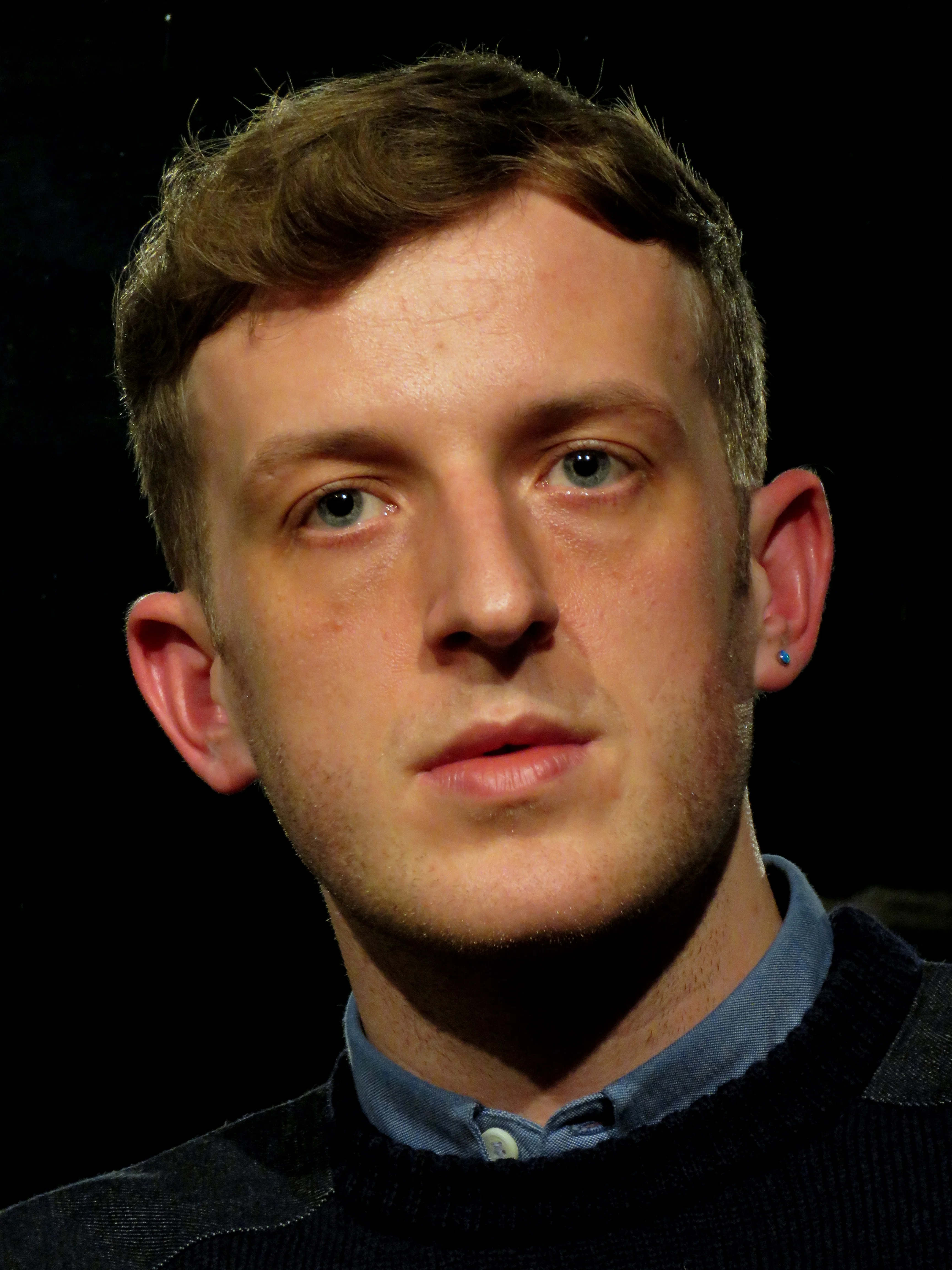
Image from Wikipedia
Image from Wikipedia
Édouard Louis: The Uncompromising Narrator of Origin, Violence, and Social Ascendancy
A French author who transforms personal experience into powerful literature
Édouard Louis, born as Eddy Bellegueule on October 30, 1992, near Amiens, is one of the defining French voices of his generation. Growing up in Hallencourt in Picardy, he made his mark on contemporary European literature with his early books about poverty, homophobia, social exclusion, and familial violence. His work represents a literature that closely intertwines autobiographical experience, social analysis, and literary focus. ([de.wikipedia.org](https://de.wikipedia.org/wiki/%C3%89douard_Louis))
Origin, Shaping, and Perspective on Social Reality
Louis comes from humble, difficult circumstances and describes in his texts the confines of the northern French province as a social experience shaped by an early sense of deviation. From childhood, he experienced discrimination and violence, which led him to Amiens and later to Paris. The renaming from Eddy Bellegueule to Édouard Louis not only marked a biographical turning point but also a conscious act of self-definition. ([de.wikipedia.org](https://de.wikipedia.org/wiki/%C3%89douard_Louis))
This origin is present throughout his writing: Louis is interested in the mechanics of social shame, class barriers, and the forms in which violence is transmitted within families. His books employ clear, analytical prose that does not allow any distance between experience and description. This creates the great emotional and political tension in his literature. ([de.wikipedia.org](https://de.wikipedia.org/wiki/%C3%89douard_Louis))
The Literary Breakthrough with “The End of Eddy”
Édouard Louis achieved international success with his autofictional debut novel En finir avec Eddy Bellegueule, translated into English as The End of Eddy. The book tells the story of a gay boy growing up in the French countryside and his futile attempts to fit into a hostile environment. In France, the novel became a bestseller and garnered enormous public resonance. ([de.wikipedia.org](https://de.wikipedia.org/wiki/%C3%89douard_Louis))
The success of the debut was fueled not only by its unflinching content but also by its literary form. Louis combines sociological observation with a highly condensed, almost clinical narrative style that does not merely depict social conditions but dissects them. This blend of personal experience and social diagnosis became the hallmark of his writing career. ([de.wikipedia.org](https://de.wikipedia.org/wiki/%C3%89douard_Louis))
Between Politics, Theory, and Stage: The Development of His Work
After the debut, Louis consistently expanded his writing. In 2015, he published a political manifesto with Geoffroy de Lagasnerie, which appeared in Le Monde and opposed austerity policies, social exclusion, and the normalization of right-wing discourses. In doing so, Louis positioned himself not only as an author of autobiographical texts but also as an intellectual voice in political debate. ([de.wikipedia.org](https://de.wikipedia.org/wiki/%C3%89douard_Louis))
His novel Histoire de la violence was published in 2016 and later adapted for the stage; in 2018, Thomas Ostermeier produced a stage version at the Schaubühne am Lehniner Platz. Louis’ writing thus moves between literature, theater, and public intervention. His book Qui a tué mon père also appeared as a short, concentrated text that intertwines personal memory and political accusation. ([de.wikipedia.org](https://de.wikipedia.org/wiki/%C3%89douard_Louis))
Family History as Literary Archive
A central thread in his work is the engagement with family, especially with his father, mother, and brother. In Qui a tué mon père, he focuses on the physically and socially damaged father; in Combats et métamorphoses d'une femme and Monique s’évade, the mother is the focal point. These books do not tell complete life stories but show how class, gender, and violence shape biographies. ([seuil.com](https://www.seuil.com/ouvrage/qui-a-tue-mon-pere-edouard-louis/9782021399431))
In 2024, L’Effondrement was published, a book about the death of his brother, which further condenses the family narrative. SRF described the work in 2025 as a radical sociological investigation into the early alcoholic death of his brother, and the publisher positioned the text within the continuity of Louis’ work on violence, class relations, and missed life opportunities. The new book thematically connects to previous family portraits, showing again how closely personal experience and social structure are intertwined in his prose. ([srf.ch](https://www.srf.ch/kultur/literatur/neuer-roman-der-absturz-arbeitermilieu-alkohol-absturz-so-starb-edouard-louis-bruder))
Style, Language, and Artistic Signature
Édouard Louis writes in a language that emphasizes precision, urgency, and moral clarity. His sentences carry the energy of a literary protocol while also embodying the intimacy of a self-conversation. The publisher describes his books as autobiographical works that have been translated into over thirty languages; this reflects the international reach of his artistic signature. ([seuil.com](https://www.seuil.com/ouvrage/combats-et-metamorphoses-d-une-femme-edouard-louis/9782021312546?utm_source=openai))
Content-wise, his texts revolve around social violence, male dominance, homophobia, racism, and the consequences of economic hardship. Louis uses literature as a means of insight: he transforms biographical experience into analysis and turns the private into a social document. This connection of experience, expertise, and authority explains why his books are discussed far beyond the French literary scene. ([de.wikipedia.org](https://de.wikipedia.org/wiki/%C3%89douard_Louis))
Education, Influences, and Intellectual Positioning
Louis studied at prestigious institutions and early engaged in a milieu of social science and philosophical debates. His texts are closely linked to sociology, particularly the tradition of Pierre Bourdieu, while also opening up to a literary approach that connects to autobiographical and essayistic forms. This dual commitment to theory and narrative shapes the authority of his work. ([en.wikipedia.org](https://en.wikipedia.org/wiki/%C3%89douard_Louis?utm_source=openai))
The French press and cultural reporting repeatedly emphasize that Louis does not merely write about origin but actively works with it. His work is read as a literary form of social contradiction: an attempt to transform shameful experiences into a language of self-assertion. This constitutes a significant part of his cultural importance. ([vogue.de](https://www.vogue.de/artikel/edouard-louis-interview?utm_source=openai))
Current Projects and Recent Publications
With L’Effondrement, Édouard Louis continued his family narrative in 2024; in 2025, the book was revisited in cultural reporting and described as the conclusion of a family investigation. The focus is on his brother, whose death Louis interprets as a consequence of social devastation and personal despair. Thus, the author remains true to his central themes in his recent works. ([srf.ch](https://www.srf.ch/kultur/literatur/neuer-roman-der-absturz-arbeitermilieu-alkohol-absturz-so-starb-edouard-louis-bruder))
The publisher categorizes his books as autobiographical works that have been translated into numerous languages, emphasizing collaboration with theater makers and his role as a translator of poet Anne Carson. Since 2019, Louis has been teaching at La Manufacture – Haute école des arts de la scène in Lausanne. This position connects his literary practice with education in the performing arts. ([seuil.com](https://www.seuil.com/ouvrage/combats-et-metamorphoses-d-une-femme-edouard-louis/9782021312546?utm_source=openai))
Cultural Influence and Why Édouard Louis Remains Important
Édouard Louis is among the authors who have had a lasting impact on contemporary French literature. His books have intensified debates around class, masculinity, homosexuality, and social mobility, while also establishing a new form of literary immediacy. The fact that his texts continue to resonate on stage, in cultural columns, and in international translations underscores the reach of his work. ([de.wikipedia.org](https://de.wikipedia.org/wiki/%C3%89douard_Louis))
What makes Édouard Louis so intriguing is the connection between personal radicalism and analytical precision. He does not write about life on the margins but from it, transforming it into literature of political and aesthetic power. Those seeking contemporary literature with substance should not only read this author but also experience his readings and performances. ([de.wikipedia.org](https://de.wikipedia.org/wiki/%C3%89douard_Louis))
Conclusion
Édouard Louis remains one of Europe's most uncompromising storytellers: an author who does not romanticize origin but transforms it into language that hurts and enlightens. His books illustrate how closely family, class, and violence are intertwined and why literature can be a site of social insight. Following his work is not just to experience a mere biography but a literarily consistent project of rare intensity. ([de.wikipedia.org](https://de.wikipedia.org/wiki/%C3%89douard_Louis))
Official Channels of Édouard Louis:
- Instagram: No official profile found
- Facebook: No official profile found
- YouTube: No official profile found
- Spotify: No official profile found
- TikTok: No official profile found
Sources:
- Wikipedia – Édouard Louis
- Éditions du Seuil – Combats et métamorphoses d'une femme
- Éditions du Seuil – Changer : méthode
- Éditions du Seuil – Qui a tué mon père
- Éditions du Seuil – L'Effondrement
- SRF Kultur – “Der Absturz”
- Vogue Germany – Interview with Édouard Louis
- ZEITmagazin – Interview with Édouard Louis
Upcoming Events
Guide to Becoming Another
A touching theater evening about origins, desire, and classism at Munich Volkstheater. On 01.05.2026 at 21:00, tickets from 21 Euro. #Theater
Guide to Becoming Another
An intense theater evening about origin, desire, and self-transformation at Munich Volkstheater. May 3, 2026, at 20:30. Experience it live now. #Theater #Munich