

Weiden in der Oberpfalz
Schulgasse 1, 92637 Weiden in der Oberpfalz, Deutschland
City Parish Church St. Michael Weiden | Services & Photos
The City Parish Church St. Michael is located in the heart of the Weiden old town and is one of the most prominent ecclesiastical sites in the city. The Protestant Michael Church is situated at Schulgasse 1, right in the pedestrian zone, and combines a long history of construction and religion with a vibrant community life. Those searching for St. Michael Weiden, Michael Church Weiden, services, church music, or photos of the historic church will find a place here that is much more than just a building. The church serves as a place of worship, a monument, a music venue, and a visible testament to the tumultuous history of Weiden.
The current church building was constructed in the 15th century to replace an older, smaller church. After the great city fire of 1396, restoration began, and the year 1448 above the west portal commemorates the rebuilding. According to the church community, the consecration of the renewed building took place on January 22, 1469. In the 16th century, St. Michael became an important site of the Reformation in Weiden. Later, the church was used alternately by the Catholic and Protestant communities for several centuries. This special shared use, known as Simultaneum, did not end until 1900.
Today, Protestant services, events, church music, and the connection to Max Reger shape the profile of the City Parish Church. Its central location makes it easily accessible for community members, visitors to the city center, and culture enthusiasts. At the same time, the historic space invites one to step out of everyday life for a few minutes, to perceive architecture, listen to music, or participate in a service.
St. Michael Weiden: History of the City Parish Church
The history of the City Parish Church St. Michael, according to the church community, dates back at least to the 14th century. A parish church in Weiden is first mentioned in documents in 1341. During excavations in 1964, remains of a predecessor church from this time were discovered. Thus, it is clear that the current sacred building is rooted in an older ecclesiastical tradition. The exact form of this early predecessor building cannot be fully reconstructed from the published information. However, it is certain that the church site has been closely linked to the development of the city since the Middle Ages.
A decisive turning point was the great city fire of 1396. The church, which was dedicated to Mary and the Archangel Michael, was largely destroyed. Restoration began in 1400. The date 1448 above the west portal likely indicates that the church space could be used for services again from that point onward. The actual consecration of the renewed church building took place, according to the church community, on January 22, 1469. These dates already make it clear how strongly St. Michael is connected to the medieval history of the city of Weiden.
The Reformation also left clear traces in St. Michael. As early as 1522, the first Reformation sermons were held in the church. In 1542, the Reformation was officially carried out in Weiden. The transition was not easy, and the confessional situation remained conflict-ridden for a long time. During the Thirty Years' War and in the decades that followed, the political and religious conditions changed multiple times. Services were temporarily restricted or banned, congregations changed their influence, and the church became a battleground for the confessional disputes of its time.
From the second half of the 17th century until 1900, St. Michael had a Simultaneum. This means that the Catholic and Protestant communities used the church alternately. This form of shared use not only shaped the worship operations but also the understanding of the building as a common center of the city. On November 11, 1900, according to the church community, the last Catholic Mass took place in St. Michael. Since then, the church has been the main place of worship for the Protestant community.
The history also includes the tower collapse in the middle of the 18th century, which damaged the south side of the church. The subsequent reconstruction was done in the Baroque style. As a result, various historical layers meet on the building: medieval origins, traces of the Reformation, the memory of the Simultaneum, and Baroque elements from the time of reconstruction. This layering makes St. Michael a particularly significant place for the history of Weiden.
Architecture, Interior, and Photos of the Michael Church
Those searching for photos of St. Michael Weiden often discover a church whose appearance is shaped by its central location and long construction history. The Michael Church is located on Schulgasse and is thus directly integrated into the inner-city network of paths. It is not a secluded building but part of the daily cityscape. People pass by on their way through the pedestrian zone, attend a service, participate in an event, or consciously enter the space for its historical and spiritual atmosphere.
The church was built in the 15th century to replace an older, smaller church. The year 1448 above the west portal is considered a visible sign of the construction and restoration phase after the city fire. The tower and the south side tell of later changes. After the tower collapsed in the 18th century and damaged the south side, this area was rebuilt in the Baroque style. Therefore, those observing the building can understand that St. Michael did not originate from a single construction phase but has been altered, repaired, and developed over centuries.
The interior also holds artistic and church-historical significance. The church community particularly highlights the pulpit. The pulpit is attributed to Michael Kethnath from Weiden, with the design executed by the sculptor Joseph Andres and the color finish by the Tirschenreuth painter Fuchs. A depiction of the Archangel Michael looks down from the sounding board. These details connect local craftsmanship history with the religious dedication of the church.
For visitors, photos of the church are a good way to get an impression in advance. At the same time, images can only partially convey the effect of a historic church space. The proportions of the space, the materials, the tranquility, and the acoustics can only be experienced on-site. Especially when visiting outside of a service, it is worthwhile to not only focus on individual details but to perceive the various historical layers together. Medieval fundamentals, Baroque reconstruction elements, the pulpit, the organ, and the use as a Protestant city parish church together form an unmistakable overall picture.
The location in the pedestrian zone is also important for orientation. The Michael Church is not located on a remote bypass road but in the city center of Weiden. This allows a church visit to be combined with a tour of the old town. Depending on the time of day, different perspectives from Schulgasse and the adjacent inner-city areas are suitable for photographs. During events and services, consideration for the congregation should take precedence. Therefore, photographing in the church space always depends on the respective rules and the situation on-site.
Services in St. Michael Weiden
The Protestant City Parish Church St. Michael is the main church of the church community. Services are thus a central purpose of the building. The official website lists regular Sunday services at 8:00 AM and 9:30 AM for St. Michael. Additionally, special service times may apply on holidays. Since dates, formats, and venues can change, visitors should check the current calendar of the church community before their visit.
A service in St. Michael combines the liturgical tradition of the Protestant church with the special history of the space. The church has been shaped by confessional changes for centuries, was used jointly for a time, and is now a place of Protestant proclamation. This history remains present in the building without determining the current service. Rather, it forms a backdrop against which current community, music, prayer, and encounters take place.
The regular services are not only aimed at long-standing community members. The central location in the city center also makes it easy for guests to visit the church. First-time visitors can orient themselves at the entrance or contact the parish office for special questions. For families, older people, and individuals with special needs, it is advisable to clarify in advance which access and offers are provided for individual events. In the event listings of the Protestant church portal, St. Michael is listed as wheelchair accessible; an induction loop for hearing aids is also mentioned. The specific usability can vary depending on the event and access situation.
In addition to the regular Sunday service, further church appointments take place in the community. These include special services, holiday services, baptisms, weddings, funerals, devotions, and community events. Not every appointment necessarily takes place in the same form or at the same time. Therefore, the current schedule is the most reliable point of reference for planning. Last-minute changes, musical focuses, or services with communion will also be announced there or through the church community's information.
Those wishing to combine a church visit with a stay in the city center can plan St. Michael as a quiet starting or ending point for a visit to Weiden. The church is located in the pedestrian zone and is thus embedded in the old town. After the service, paths through the center are available; conversely, a visit to the city center can be consciously complemented by a quiet time in the church. The connection between city life and spiritual place is one of the defining features of the Michael Church.
Church Music and the Max Reger Memorial Organ
One of the most well-known features of St. Michael is its connection to Max Reger. The composer learned to play the organ in the church and created major organ works around 1900. This connection gives the Michael Church special significance for the music history of Weiden. It also shows that churches can be important training and performance spaces, not just places of liturgy.
Today, the Max Reger Memorial Organ commemorates the famous organist and composer. The name of the organ makes the historical connection visible and forms an important point of reference for church music, concerts, and cultural events. The organ is not detached from the church but is part of the overall spatial experience. Architecture, acoustics, and instrument work together. Especially in a historic church space, organ music can have an effect that is distinctly different from that of a concert hall.
The church community regularly highlights church music and events on its website. Depending on the program, services can be musically designed, concerts offered, or ensembles hosted in St. Michael. Those interested in organ music, choral music, or historic church spaces should therefore pay attention to the current event calendar. Individual events may require tickets, registration, or special start times. General information about the community does not replace the notices for each specific appointment.
Max Reger is more than just a name on a memorial plaque for the identity of the church. His connection to St. Michael makes the church a memorial site of local music history. Visitors can understand here that musical biographies are often tied to specific spaces. A young musician practiced in this church, developed his skills there, and later shaped music history. The Max Reger Memorial Organ keeps this connection alive in the everyday life of the church community.
For an event in St. Michael, the acoustics are an essential part of the experience. Historic church spaces carry voices and instrumental sounds differently than modern halls. The height of the space, the building materials, and the materials influence the sound. This creates an atmosphere that can be as important for an organ concert as the actual program. At the same time, visitors should consider that a church is primarily a house of worship. During concerts and musical services, cultural experience and sacred character intertwine.
Those searching for church music St. Michael Weiden or the Max Reger Memorial Organ will find a clear focus of the location. The church is interesting for music enthusiasts because it connects history, instrument, and vibrant use together. Concert dates, ensemble participation, and special musical services may change. Therefore, the current information from the church community and the respective organizers is crucial.
Events, Community, and Contact
St. Michael is not just a place for Sunday services. The church community sees itself as a community among the people and provides information about events, groups, circles, church music, services, and other offers. The official website contains information about community life and a calendar of upcoming services and events. This way, the church is integrated into a broader network of church encounters.
Possible forms of events include musical offerings, special services, lectures, community meetings, and seasonal appointments. Which events take place specifically depends on the respective annual program. A blanket list would therefore not be reliably permanent. Those wishing to attend an appointment should check the date, time, and location based on the current publication. The designation St. Michael can be associated with different community rooms or partner offers in the church context; for the Michael Church itself, the address Schulgasse 1 is decisive.
The parish office is located at Pfarrplatz 6 in 92637 Weiden. The church community lists the phone number as 0961/4701577 and the email address as pfarramt.evangelisch.weiden@elkb.de. Published office hours are Mondays, Wednesdays, and Fridays from 9:00 AM to 12:00 PM and Thursdays from 2:00 PM to 5:00 PM. Office hours may change or differ on holidays. For questions about baptisms, weddings, funerals, services, events, or possible use of the church space, the parish office is the appropriate contact point.
The address of the church and the address of the parish office should not be confused when planning. The Michael Church is located at Schulgasse 1. The parish office is at Pfarrplatz 6. The city of Weiden also lists both addresses separately: the church community is mentioned at Pfarrplatz 6, and the Michael Church at Schulgasse 1. This distinction is particularly relevant when picking up documents, arranging meetings, or attending events.
For people who are engaging with the church community for the first time, the website offers a good introduction. It presents, among other things, the history, the church, the parish office, services, and current community topics. The church contacts and the connection to the Protestant deanery are also traceable there. The community is thus integrated both locally in the Weiden city center and organizationally into the Evangelical Lutheran Church in Bavaria.
Directions to the Church Schulgasse 1 and Orientation in the City Center
The St. Michael Church is located at Schulgasse 1 in 92637 Weiden in the Upper Palatinate. The church is situated in the pedestrian zone. For visitors, this means that the last meters are usually covered on foot. The central location in the city center makes St. Michael easily combinable with a tour of the Weiden old town. Those arriving by car should pay attention to the signage for inner-city parking options and then plan the walking route to Schulgasse.
No dedicated parking for the church or a binding general parking regulation is specified in the available official church information. Therefore, specific parking options, fees, access routes, and time restrictions should be checked before arrival using the current information from the city of Weiden or a navigation system. The situation may change due to construction sites, events, closures, or changes in traffic management. For a stress-free arrival, it is advisable to allow sufficient time for parking search and the walking route for an important appointment.
The location in the pedestrian zone is particularly formative for the atmosphere of the church. St. Michael is not situated in a secluded churchyard but in the middle of a bustling urban area. This allows everyday life and sacred space to meet directly. Shopping, city sightseeing, gastronomy, and community life are spatially close together. At the same time, the church can form a quiet counterpoint within the pedestrian zone. This proximity between public life and spiritual place is an essential part of the effect of the Michael Church.
For individuals with mobility restrictions, the information on accessibility can be helpful. In published event notices, St. Michael is described as wheelchair accessible. An induction loop for hearing aids is also mentioned. Since accessibility can depend on the specific access, open entrances, and the respective event, it is advisable to contact the parish office in advance for special requirements. This way, questions about seating, access, companions, and event flow can be clarified early.
Those wishing to photograph or visit the church should consider that St. Michael is an active place of worship. During services, funerals, weddings, or rehearsals, different rules may apply than during a public concert or an open church tour. A generally published daily opening time for tourist visits is not specified. The safest option is to orient oneself according to the service and event dates or to directly ask the church community for a suitable visiting time.
Therefore, the travel planning can be simply summarized: the target address of the church is Schulgasse 1, the church is located in the pedestrian zone, the parish office is at Pfarrplatz 6, and specific parking information should be checked currently. For services and events, the published times of the church community are decisive. These hints help to reliably and respectfully plan the visit to the City Parish Church St. Michael.
Why a visit to the City Parish Church St. Michael is worthwhile
St. Michael unites several levels that make the place special. The church is primarily an active Protestant place of worship. At the same time, it is a historical building with medieval origins, Baroque reconstruction traces, and a documented history of confessional change. Additionally, there is the connection to Max Reger and church music. Hardly a single search term can fully describe this diversity. Those searching for photos discover the architecture. Those looking for services find the community. Those searching for music encounter the organ and Max Reger. Those interested in history meet the Reformation and the Simultaneum.
The location in the Weiden pedestrian zone enhances this complexity. St. Michael is part of the cityscape and at the same time a space with its own time. Outside, one encounters the bustling center, while inside, the concentrated atmosphere of a church space prevails. This tension makes the place interesting for different visitor groups. Community members find familiar services and encounters here. Culture enthusiasts can experience architecture, history, and music. Travelers gain insight into the development of the city. People seeking a quiet moment find a space for reflection.
The history of the Simultaneum also gives the church special significance. For centuries, St. Michael was used alternately by the Catholic and Protestant communities. This shared use is part of local religious and city history. It explains why the church can be viewed not only as a confessional building but also as a memorial site of societal changes. The later Protestant imprint does not contradict the older shared history but is its current conclusion and further development.
The connection to Max Reger opens another access point. The fact that the composer learned to play the organ in St. Michael and later created significant organ works makes the church particularly appealing to music lovers. The Max Reger Memorial Organ commemorates this biography and relates the past to current church music. A visit can thus be both quiet and contemplative as well as culturally and musically shaped.
Those visiting the place for the first time should take their time. A brief look at the west portal, the historical structure, the pulpit, and the organ can already reveal many stories. A service or a musical event additionally conveys how the space is used today. Information on the church community's website aids in preparation but does not replace the personal experience on-site. St. Michael is best understood through the interplay of history, architecture, community, and sound.
The City Parish Church St. Michael is thus a versatile location for services, church music, cultural events, and personal visits. Its strength lies not in modern event equipment or a published seating capacity but in its evolved identity. The historical substance, the central location, the vibrant community, and the connection to Max Reger form a clear profile. Those seeking a special church space in Weiden will find in St. Michael a place with visible history and present significance.
Sources:
- Church Community St. Michael Weiden – Official Website
- St. Michael Church – History, Address, and Services
- The History of the Church Community St. Michael
- Parish Office St. Michael – Contact and Office Hours
- City of Weiden – Evangelical Lutheran Congregations
- Evangelical Deanery Weiden – St. Markus and Michael
- Evangelical Events – Venue St. Michael Weiden
- Weiden Tourism – Information on the Evangelical Parish Church St. Michael
Mehr anzeigenWeniger anzeigen
City Parish Church St. Michael Weiden | Services & Photos
The City Parish Church St. Michael is located in the heart of the Weiden old town and is one of the most prominent ecclesiastical sites in the city. The Protestant Michael Church is situated at Schulgasse 1, right in the pedestrian zone, and combines a long history of construction and religion with a vibrant community life. Those searching for St. Michael Weiden, Michael Church Weiden, services, church music, or photos of the historic church will find a place here that is much more than just a building. The church serves as a place of worship, a monument, a music venue, and a visible testament to the tumultuous history of Weiden.
The current church building was constructed in the 15th century to replace an older, smaller church. After the great city fire of 1396, restoration began, and the year 1448 above the west portal commemorates the rebuilding. According to the church community, the consecration of the renewed building took place on January 22, 1469. In the 16th century, St. Michael became an important site of the Reformation in Weiden. Later, the church was used alternately by the Catholic and Protestant communities for several centuries. This special shared use, known as Simultaneum, did not end until 1900.
Today, Protestant services, events, church music, and the connection to Max Reger shape the profile of the City Parish Church. Its central location makes it easily accessible for community members, visitors to the city center, and culture enthusiasts. At the same time, the historic space invites one to step out of everyday life for a few minutes, to perceive architecture, listen to music, or participate in a service.
St. Michael Weiden: History of the City Parish Church
The history of the City Parish Church St. Michael, according to the church community, dates back at least to the 14th century. A parish church in Weiden is first mentioned in documents in 1341. During excavations in 1964, remains of a predecessor church from this time were discovered. Thus, it is clear that the current sacred building is rooted in an older ecclesiastical tradition. The exact form of this early predecessor building cannot be fully reconstructed from the published information. However, it is certain that the church site has been closely linked to the development of the city since the Middle Ages.
A decisive turning point was the great city fire of 1396. The church, which was dedicated to Mary and the Archangel Michael, was largely destroyed. Restoration began in 1400. The date 1448 above the west portal likely indicates that the church space could be used for services again from that point onward. The actual consecration of the renewed church building took place, according to the church community, on January 22, 1469. These dates already make it clear how strongly St. Michael is connected to the medieval history of the city of Weiden.
The Reformation also left clear traces in St. Michael. As early as 1522, the first Reformation sermons were held in the church. In 1542, the Reformation was officially carried out in Weiden. The transition was not easy, and the confessional situation remained conflict-ridden for a long time. During the Thirty Years' War and in the decades that followed, the political and religious conditions changed multiple times. Services were temporarily restricted or banned, congregations changed their influence, and the church became a battleground for the confessional disputes of its time.
From the second half of the 17th century until 1900, St. Michael had a Simultaneum. This means that the Catholic and Protestant communities used the church alternately. This form of shared use not only shaped the worship operations but also the understanding of the building as a common center of the city. On November 11, 1900, according to the church community, the last Catholic Mass took place in St. Michael. Since then, the church has been the main place of worship for the Protestant community.
The history also includes the tower collapse in the middle of the 18th century, which damaged the south side of the church. The subsequent reconstruction was done in the Baroque style. As a result, various historical layers meet on the building: medieval origins, traces of the Reformation, the memory of the Simultaneum, and Baroque elements from the time of reconstruction. This layering makes St. Michael a particularly significant place for the history of Weiden.
Architecture, Interior, and Photos of the Michael Church
Those searching for photos of St. Michael Weiden often discover a church whose appearance is shaped by its central location and long construction history. The Michael Church is located on Schulgasse and is thus directly integrated into the inner-city network of paths. It is not a secluded building but part of the daily cityscape. People pass by on their way through the pedestrian zone, attend a service, participate in an event, or consciously enter the space for its historical and spiritual atmosphere.
The church was built in the 15th century to replace an older, smaller church. The year 1448 above the west portal is considered a visible sign of the construction and restoration phase after the city fire. The tower and the south side tell of later changes. After the tower collapsed in the 18th century and damaged the south side, this area was rebuilt in the Baroque style. Therefore, those observing the building can understand that St. Michael did not originate from a single construction phase but has been altered, repaired, and developed over centuries.
The interior also holds artistic and church-historical significance. The church community particularly highlights the pulpit. The pulpit is attributed to Michael Kethnath from Weiden, with the design executed by the sculptor Joseph Andres and the color finish by the Tirschenreuth painter Fuchs. A depiction of the Archangel Michael looks down from the sounding board. These details connect local craftsmanship history with the religious dedication of the church.
For visitors, photos of the church are a good way to get an impression in advance. At the same time, images can only partially convey the effect of a historic church space. The proportions of the space, the materials, the tranquility, and the acoustics can only be experienced on-site. Especially when visiting outside of a service, it is worthwhile to not only focus on individual details but to perceive the various historical layers together. Medieval fundamentals, Baroque reconstruction elements, the pulpit, the organ, and the use as a Protestant city parish church together form an unmistakable overall picture.
The location in the pedestrian zone is also important for orientation. The Michael Church is not located on a remote bypass road but in the city center of Weiden. This allows a church visit to be combined with a tour of the old town. Depending on the time of day, different perspectives from Schulgasse and the adjacent inner-city areas are suitable for photographs. During events and services, consideration for the congregation should take precedence. Therefore, photographing in the church space always depends on the respective rules and the situation on-site.
Services in St. Michael Weiden
The Protestant City Parish Church St. Michael is the main church of the church community. Services are thus a central purpose of the building. The official website lists regular Sunday services at 8:00 AM and 9:30 AM for St. Michael. Additionally, special service times may apply on holidays. Since dates, formats, and venues can change, visitors should check the current calendar of the church community before their visit.
A service in St. Michael combines the liturgical tradition of the Protestant church with the special history of the space. The church has been shaped by confessional changes for centuries, was used jointly for a time, and is now a place of Protestant proclamation. This history remains present in the building without determining the current service. Rather, it forms a backdrop against which current community, music, prayer, and encounters take place.
The regular services are not only aimed at long-standing community members. The central location in the city center also makes it easy for guests to visit the church. First-time visitors can orient themselves at the entrance or contact the parish office for special questions. For families, older people, and individuals with special needs, it is advisable to clarify in advance which access and offers are provided for individual events. In the event listings of the Protestant church portal, St. Michael is listed as wheelchair accessible; an induction loop for hearing aids is also mentioned. The specific usability can vary depending on the event and access situation.
In addition to the regular Sunday service, further church appointments take place in the community. These include special services, holiday services, baptisms, weddings, funerals, devotions, and community events. Not every appointment necessarily takes place in the same form or at the same time. Therefore, the current schedule is the most reliable point of reference for planning. Last-minute changes, musical focuses, or services with communion will also be announced there or through the church community's information.
Those wishing to combine a church visit with a stay in the city center can plan St. Michael as a quiet starting or ending point for a visit to Weiden. The church is located in the pedestrian zone and is thus embedded in the old town. After the service, paths through the center are available; conversely, a visit to the city center can be consciously complemented by a quiet time in the church. The connection between city life and spiritual place is one of the defining features of the Michael Church.
Church Music and the Max Reger Memorial Organ
One of the most well-known features of St. Michael is its connection to Max Reger. The composer learned to play the organ in the church and created major organ works around 1900. This connection gives the Michael Church special significance for the music history of Weiden. It also shows that churches can be important training and performance spaces, not just places of liturgy.
Today, the Max Reger Memorial Organ commemorates the famous organist and composer. The name of the organ makes the historical connection visible and forms an important point of reference for church music, concerts, and cultural events. The organ is not detached from the church but is part of the overall spatial experience. Architecture, acoustics, and instrument work together. Especially in a historic church space, organ music can have an effect that is distinctly different from that of a concert hall.
The church community regularly highlights church music and events on its website. Depending on the program, services can be musically designed, concerts offered, or ensembles hosted in St. Michael. Those interested in organ music, choral music, or historic church spaces should therefore pay attention to the current event calendar. Individual events may require tickets, registration, or special start times. General information about the community does not replace the notices for each specific appointment.
Max Reger is more than just a name on a memorial plaque for the identity of the church. His connection to St. Michael makes the church a memorial site of local music history. Visitors can understand here that musical biographies are often tied to specific spaces. A young musician practiced in this church, developed his skills there, and later shaped music history. The Max Reger Memorial Organ keeps this connection alive in the everyday life of the church community.
For an event in St. Michael, the acoustics are an essential part of the experience. Historic church spaces carry voices and instrumental sounds differently than modern halls. The height of the space, the building materials, and the materials influence the sound. This creates an atmosphere that can be as important for an organ concert as the actual program. At the same time, visitors should consider that a church is primarily a house of worship. During concerts and musical services, cultural experience and sacred character intertwine.
Those searching for church music St. Michael Weiden or the Max Reger Memorial Organ will find a clear focus of the location. The church is interesting for music enthusiasts because it connects history, instrument, and vibrant use together. Concert dates, ensemble participation, and special musical services may change. Therefore, the current information from the church community and the respective organizers is crucial.
Events, Community, and Contact
St. Michael is not just a place for Sunday services. The church community sees itself as a community among the people and provides information about events, groups, circles, church music, services, and other offers. The official website contains information about community life and a calendar of upcoming services and events. This way, the church is integrated into a broader network of church encounters.
Possible forms of events include musical offerings, special services, lectures, community meetings, and seasonal appointments. Which events take place specifically depends on the respective annual program. A blanket list would therefore not be reliably permanent. Those wishing to attend an appointment should check the date, time, and location based on the current publication. The designation St. Michael can be associated with different community rooms or partner offers in the church context; for the Michael Church itself, the address Schulgasse 1 is decisive.
The parish office is located at Pfarrplatz 6 in 92637 Weiden. The church community lists the phone number as 0961/4701577 and the email address as pfarramt.evangelisch.weiden@elkb.de. Published office hours are Mondays, Wednesdays, and Fridays from 9:00 AM to 12:00 PM and Thursdays from 2:00 PM to 5:00 PM. Office hours may change or differ on holidays. For questions about baptisms, weddings, funerals, services, events, or possible use of the church space, the parish office is the appropriate contact point.
The address of the church and the address of the parish office should not be confused when planning. The Michael Church is located at Schulgasse 1. The parish office is at Pfarrplatz 6. The city of Weiden also lists both addresses separately: the church community is mentioned at Pfarrplatz 6, and the Michael Church at Schulgasse 1. This distinction is particularly relevant when picking up documents, arranging meetings, or attending events.
For people who are engaging with the church community for the first time, the website offers a good introduction. It presents, among other things, the history, the church, the parish office, services, and current community topics. The church contacts and the connection to the Protestant deanery are also traceable there. The community is thus integrated both locally in the Weiden city center and organizationally into the Evangelical Lutheran Church in Bavaria.
Directions to the Church Schulgasse 1 and Orientation in the City Center
The St. Michael Church is located at Schulgasse 1 in 92637 Weiden in the Upper Palatinate. The church is situated in the pedestrian zone. For visitors, this means that the last meters are usually covered on foot. The central location in the city center makes St. Michael easily combinable with a tour of the Weiden old town. Those arriving by car should pay attention to the signage for inner-city parking options and then plan the walking route to Schulgasse.
No dedicated parking for the church or a binding general parking regulation is specified in the available official church information. Therefore, specific parking options, fees, access routes, and time restrictions should be checked before arrival using the current information from the city of Weiden or a navigation system. The situation may change due to construction sites, events, closures, or changes in traffic management. For a stress-free arrival, it is advisable to allow sufficient time for parking search and the walking route for an important appointment.
The location in the pedestrian zone is particularly formative for the atmosphere of the church. St. Michael is not situated in a secluded churchyard but in the middle of a bustling urban area. This allows everyday life and sacred space to meet directly. Shopping, city sightseeing, gastronomy, and community life are spatially close together. At the same time, the church can form a quiet counterpoint within the pedestrian zone. This proximity between public life and spiritual place is an essential part of the effect of the Michael Church.
For individuals with mobility restrictions, the information on accessibility can be helpful. In published event notices, St. Michael is described as wheelchair accessible. An induction loop for hearing aids is also mentioned. Since accessibility can depend on the specific access, open entrances, and the respective event, it is advisable to contact the parish office in advance for special requirements. This way, questions about seating, access, companions, and event flow can be clarified early.
Those wishing to photograph or visit the church should consider that St. Michael is an active place of worship. During services, funerals, weddings, or rehearsals, different rules may apply than during a public concert or an open church tour. A generally published daily opening time for tourist visits is not specified. The safest option is to orient oneself according to the service and event dates or to directly ask the church community for a suitable visiting time.
Therefore, the travel planning can be simply summarized: the target address of the church is Schulgasse 1, the church is located in the pedestrian zone, the parish office is at Pfarrplatz 6, and specific parking information should be checked currently. For services and events, the published times of the church community are decisive. These hints help to reliably and respectfully plan the visit to the City Parish Church St. Michael.
Why a visit to the City Parish Church St. Michael is worthwhile
St. Michael unites several levels that make the place special. The church is primarily an active Protestant place of worship. At the same time, it is a historical building with medieval origins, Baroque reconstruction traces, and a documented history of confessional change. Additionally, there is the connection to Max Reger and church music. Hardly a single search term can fully describe this diversity. Those searching for photos discover the architecture. Those looking for services find the community. Those searching for music encounter the organ and Max Reger. Those interested in history meet the Reformation and the Simultaneum.
The location in the Weiden pedestrian zone enhances this complexity. St. Michael is part of the cityscape and at the same time a space with its own time. Outside, one encounters the bustling center, while inside, the concentrated atmosphere of a church space prevails. This tension makes the place interesting for different visitor groups. Community members find familiar services and encounters here. Culture enthusiasts can experience architecture, history, and music. Travelers gain insight into the development of the city. People seeking a quiet moment find a space for reflection.
The history of the Simultaneum also gives the church special significance. For centuries, St. Michael was used alternately by the Catholic and Protestant communities. This shared use is part of local religious and city history. It explains why the church can be viewed not only as a confessional building but also as a memorial site of societal changes. The later Protestant imprint does not contradict the older shared history but is its current conclusion and further development.
The connection to Max Reger opens another access point. The fact that the composer learned to play the organ in St. Michael and later created significant organ works makes the church particularly appealing to music lovers. The Max Reger Memorial Organ commemorates this biography and relates the past to current church music. A visit can thus be both quiet and contemplative as well as culturally and musically shaped.
Those visiting the place for the first time should take their time. A brief look at the west portal, the historical structure, the pulpit, and the organ can already reveal many stories. A service or a musical event additionally conveys how the space is used today. Information on the church community's website aids in preparation but does not replace the personal experience on-site. St. Michael is best understood through the interplay of history, architecture, community, and sound.
The City Parish Church St. Michael is thus a versatile location for services, church music, cultural events, and personal visits. Its strength lies not in modern event equipment or a published seating capacity but in its evolved identity. The historical substance, the central location, the vibrant community, and the connection to Max Reger form a clear profile. Those seeking a special church space in Weiden will find in St. Michael a place with visible history and present significance.
Sources:
- Church Community St. Michael Weiden – Official Website
- St. Michael Church – History, Address, and Services
- The History of the Church Community St. Michael
- Parish Office St. Michael – Contact and Office Hours
- City of Weiden – Evangelical Lutheran Congregations
- Evangelical Deanery Weiden – St. Markus and Michael
- Evangelical Events – Venue St. Michael Weiden
- Weiden Tourism – Information on the Evangelical Parish Church St. Michael
Upcoming Events
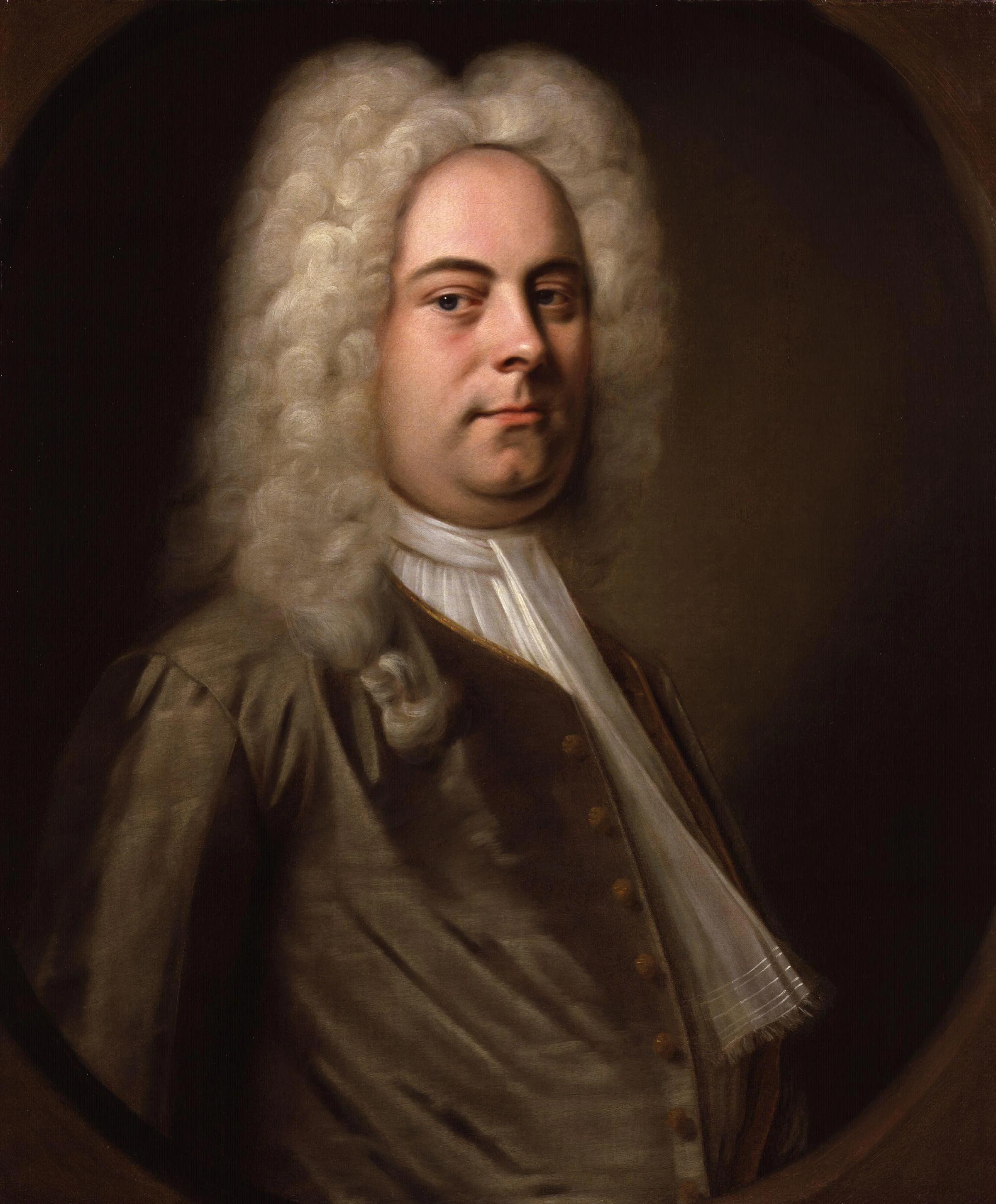
Oratorio Messiah by George Friedrich Handel
Church Music St. Michael: Handel's Messiah in Weiden
Frequently Asked Questions
Reviews
Robert Allwardt
3. October 2023
Pretty good, the statue looks good
Sven Krafft
7. May 2026
Very beautiful church, unfortunately it was closed....
Daniela R.
7. May 2024
Inside it is well maintained. Outside it would be nice if it could be renovated a bit and the path around it could have the tall grass and bushes trimmed.
BAYERNGIRL 1971
1. November 2022
St. Michael is the Protestant city church of Weiden. With its magnificent altar and pulpit, it reminds me a bit of a Catholic church. The organ is large but rather plain.
Tomáš Leise
16. August 2023
Church at the square, just a few steps from the old town hall