
Heinz Mack
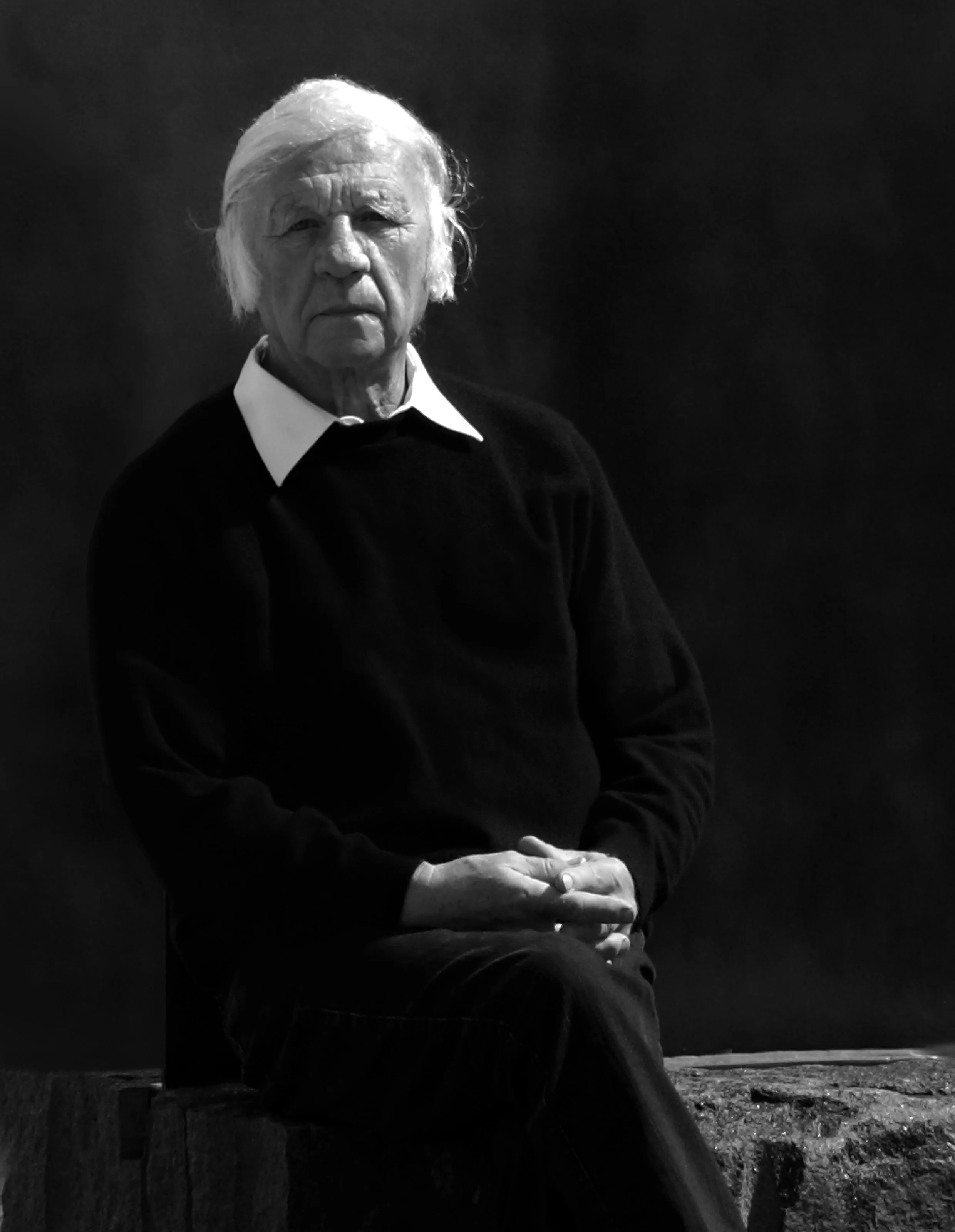
Image from Wikipedia
Image from Wikipedia
Heinz Mack: Light, Movement, and the Great Utopia of ZERO Art
A German avant-garde artist who redefined color, space, and light
Otto Heinz Mack, born on March 8, 1931, in Lollar, Hesse, is one of the defining figures of post-war German art. As a sculptor, painter, and co-founder of the internationally influential ZERO group, he developed an artistic language that transformed light, movement, and material reduction into a new aesthetic order. His work symbolizes a radical departure from the ruins of the post-war period and the attempt to conceive of art as an energetic, open, and forward-looking system. ([de.wikipedia.org](https://de.wikipedia.org/wiki/Heinz_Mack?utm_source=openai))
Biographical Roots and Early Departure
Heinz Mack grew up in a time when German art history and European culture were being renegotiated after 1945. After studying at the Kunstakademie Düsseldorf and the University of Cologne, he early on developed the experimental attitude that would later become his trademark. Already in the 1950s, he turned away from conventional pictorial solutions and sought an art that does not merely depict the visible but instead makes energy, rhythm, and perception the subjects themselves. ([kups.ub.uni-koeln.de](https://kups.ub.uni-koeln.de/25049/1/Sotke_Sahara_Mack.pdf?utm_source=openai))
The founding of the ZERO group in Düsseldorf in 1957 marked the actual breakthrough of his artistic career. Together with Otto Piene, later joined by Günther Uecker, Mack formed a circle that took the "new beginning" after the war seriously both programmatically and formally. ZERO became a term for silence, light, reduction, and openness – thus evolving into one of the most influential international movements of post-war modernism. ([beck-eggeling.de](https://www.beck-eggeling.de/en/artists/heinz_mack?utm_source=openai))
ZERO as an Aesthetic Revolution
During this phase, Heinz Mack worked with a consistency that influenced the art discourse far beyond Germany. His early works featured vibrating surfaces, reflective materials, and a dynamic relationship between the artwork and the viewer. For Mack, light was not just used but understood as a material of visual art – as a force that puts structure, color, and space into a permanent state of change. ([static1.squarespace.com](https://static1.squarespace.com/static/547cc51ce4b080c74f0ae27b/t/681a3672bcd5360969045a80/1746548343042/Heinz%2BMack%2Bx%2BAlmine%2BRech_From%2BZero%2BUntil%2BToday_Press%2BAnnouncement.pdf?utm_source=openai))
Particularly significant is Mack's departure from the static canvas in favor of reliefs, installations, and experimental formats. This development made him a pioneer of an art that eludes objecthood and activates perception. The ZERO idea combined radicality with an astonishing lightness: it centered not on destruction but on rethinking image, surface, and space. ([amp.dw.com](https://amp.dw.com/en/radical-artist-heinz-mack-turns-90/a-56807062?utm_source=openai))
Light Reliefs, Desert Projects, and Early Land Art
Heinz Mack gained international fame through his experimental light reliefs and light installations in the desert, which are among the earliest examples of Land Art. Here, he moved art out of the museum and into open landscapes, working with sun, shadow, wind, and horizon as active components of the composition. These works demonstrate Mack's interest in a concept of art that does not romanticize nature but understands it as a dynamic resonance space. ([de.wikipedia.org](https://de.wikipedia.org/wiki/Heinz_Mack?utm_source=openai))
The Sahara projects and related works anchored Mack's oeuvre in a global perspective. His art responded to light not as a decorative element but as a cosmic and simultaneously physical reality. It is precisely in this fusion of minimalism, technique, and landscape experience that a key to his enduring relevance lies. ([kups.ub.uni-koeln.de](https://kups.ub.uni-koeln.de/25049/1/Sotke_Sahara_Mack.pdf?utm_source=openai))
Important Stages, Exhibitions, and International Recognition
Heinz Mack was represented multiple times at documenta and represented Germany at the Venice Biennale in 1970. Such milestones attest to his status in the canon of contemporary art and show how early his work garnered international resonance. In the 1980s, he also received numerous public commissions, including works at the Jürgen Ponto Square in Frankfurt and at the Platz der Deutschen Einheit in Düsseldorf. ([de.wikipedia.org](https://de.wikipedia.org/wiki/Heinz_Mack?utm_source=openai))
Awards further underscore this position. Among them are the Art Prize of the City of Krefeld, the Premio Marzotto, the first prize of the International Light Competition 79 in the Netherlands, and the Grand Cultural Prize of the Rhineland Sparkassen Association. These honors indicate that Mack's work has been recognized as pioneering not only art-historically but also institutionally. ([annarosathomae.com](https://www.annarosathomae.com/press-releases-/heinz-mack-foundation-2025?utm_source=openai))
Material, Structure, and the Language of Light
The formal strength of Heinz Mack lies in the precise balance between construction and immateriality. His image and object works explore reflection, fracture, repetition, and movement; aluminum, plexiglass, and other industrial materials serve as vehicles for a visual thinking that always aims for transformation. Thus, a type of art emerges that unfolds its distinct tension in the interplay of surface and depth, shimmer and calm. ([benbrownfinearts.com](https://www.benbrownfinearts.com/usr/documents/exhibitions/press_release_url/91/heinz-mack-press-release.pdf?utm_source=openai))
This artistic development makes Mack a painter and sculptor who productively transcended the boundary between the two disciplines. His works are not only to be read as objects but as events in space. Exactly therein lies their modernity: they demand from the audience not just observation but perception as an active experience. ([amp.dw.com](https://amp.dw.com/en/radical-artist-heinz-mack-turns-90/a-56807062?utm_source=openai))
Cultural Influence and Art Historical Authority
The impact of Heinz Mack extends far beyond the ZERO group. Museums, collections, and galleries still reference his light works today, and the Mack Foundation, founded in 2025, explicitly views itself as an institution for the preservation, research, and international dissemination of his work. Public donations and museum acquisitions also show that Mack's position in the canon of post-war art remains firmly established. ([harvardartmuseums.org](https://harvardartmuseums.org/about/press-media/harvard-art-museums-receive-major-heinz-mack-sculpture-from-mack-foundation?utm_source=openai))
Moreover, the ongoing exhibition activity continues: A solo exhibition titled "From ZERO until Today" in New York and a presentation at the Fondation Le Corbusier have been announced for 2025. Such milestones indicate that Heinz Mack is not only a part of art historical past but continues to be present in the international exhibition circuit. His language of light, structure, and space has lost none of its currency. ([alminerech.com](https://www.alminerech.com/pdf-press-release/en/11096?utm_source=openai))
Discography? Exhibition History Instead of Music Releases
Since Heinz Mack works as a visual artist rather than a musician, there is no musical discography in the classical sense. For an art-historical classification, instead, his exhibition and body of work history are crucial: the founding of ZERO, participation in documenta, the Venice Biennale, public commissions, and international solo exhibitions form the backbone of his career. This chronology replaces for Mack the logic of albums, singles, and charts, as his "releases" primarily operate in the form of artworks, installations, and exhibitions. ([de.wikipedia.org](https://de.wikipedia.org/wiki/Heinz_Mack?utm_source=openai))
Current Projects and Ongoing Presence
Recent and current projects include the solo exhibition "From ZERO until Today" announced for 2025 in New York and an installation at Art Basel Unlimited 2025. The Mack Foundation also lists 2025 exhibition contexts, showcasing how actively his work is archived, presented, and embedded within the international art scene. For an artist of this stature, this is a strong sign: Heinz Mack is not only remembered but continues to be curated and discussed. ([alminerech.com](https://www.alminerech.com/pdf-press-release/en/11096?utm_source=openai))
Conclusion: An Artist of Light History Who Changes Perspectives
Heinz Mack is fascinating because his work does not simply represent the visible but puts it into motion. He belongs to those artists who have permanently changed the audience's perspective: through light, through space, through reduction, and through an unmistakable energy of form. Those interested in the major themes of post-war art will encounter here a key figure's work of international importance. ([de.wikipedia.org](https://de.wikipedia.org/wiki/Heinz_Mack?utm_source=openai))
His art remains an event between silence and brilliance, between material and immateriality. This is precisely why encountering Heinz Mack in the museum, gallery, or public space is always a rewarding experience. Those who experience his works live immediately understand why he ranks among the most significant designers of light art and ZERO aesthetics. ([static1.squarespace.com](https://static1.squarespace.com/static/547cc51ce4b080c74f0ae27b/t/681a3672bcd5360969045a80/1746548343042/Heinz%2BMack%2Bx%2BAlmine%2BRech_From%2BZero%2BUntil%2BToday_Press%2BAnnouncement.pdf?utm_source=openai))
Official Channels of Heinz Mack:
- Instagram: No official profile found
- Facebook: No official profile found
- YouTube: No official profile found
- Spotify: No official profile found
- TikTok: No official profile found
Sources:
- Wikipedia - Heinz Mack
- Wikipedia - Heinz Mack (English page)
- City of Mönchengladbach - Heinz Mack Celebrates 95th Birthday
- Almine Rech - Heinz Mack | From ZERO until Today
- Almine Rech - Heinz Mack, Fondation Le Corbusier 2025
- Harvard Art Museums - Receive Major Heinz Mack Sculpture from Mack Foundation
- Mack Foundation - Exhibitions
- Olivier Malingue - Heinz Mack Biography
- Beck & Eggeling - Heinz Mack
- FAZ - On the Ninetieth Birthday of Avant-Garde Artist Heinz Mack
- Hirmer Verlag - Heinz Mack
- Hirmer Verlag - Mack: En Face
- Städel Museum - Café Deutschland: In Conversation with Heinz Mack
- German National Library - The Sahara Project by Heinz Mack
- University of Cologne - The Sahara Project by Heinz Mack