
Maria Imma Mack
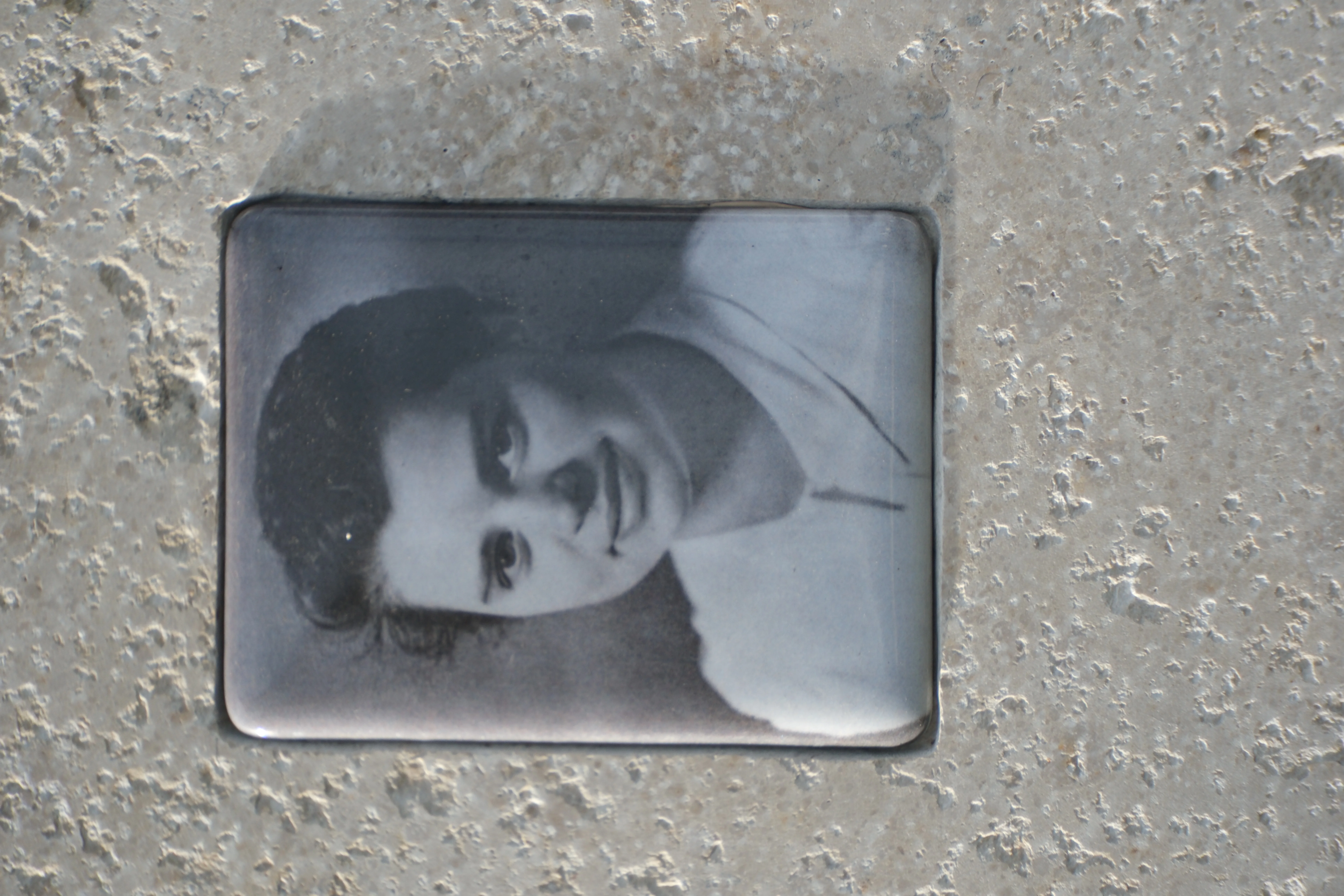
Image from Wikipedia
Image from Wikipedia
Maria Imma Mack – A Quiet Heroine of Conscience Between Faith, Courage, and Humanity
A Life in the Shadow of History That Still Shines Today
Maria Imma Mack, born as Josefa Mack on February 10, 1924, in Möckenlohe near Eichstätt and died on June 21, 2006, in Munich, belongs to those individuals whose influence comes not from loudness, but from stance. As a sister of the Congregation of the Poor School Sisters of Our Lady in Munich, she became a secret helper for inmates of the Dachau concentration camp under the code name "Mädi." Her life symbolizes civil courage, Christian charity, and dangerous actions against injustice during National Socialism. ([de.wikipedia.org](https://de.wikipedia.org/wiki/Maria_Imma_Mack?utm_source=openai))
Biographical Background: From Möckenlohe to the Religious Community
Josefa Mack grew up in a family of craftsmen and entered the sphere of the Poor School Sisters as a teenager. In 1940, she became a candidate for the order, and from 1942, she worked as an assistant in a children’s home run by the sisters in Freising. There, her life story took a direction that extended far beyond everyday monastic life: the task of purchasing flowers and vegetables for the Dachau concentration camp’s gardening brought her into direct contact with the camp and its shocking conditions. ([de.wikipedia.org](https://de.wikipedia.org/wiki/Maria_Imma_Mack?utm_source=openai))
The encounter with the suffering of the inmates was not a fleeting shock for her, but the beginning of a determined action. The everyday life of a young nun transformed into a risky path of quiet resistance, fueled by faith and compassion. The fact that she did not stage this development as an act of heroism but understood it as a duty to help continues to shape the perception of her biography today. ([bistum-eichstaett.de](https://www.bistum-eichstaett.de/news-details/news/bewegt-vom-heiligen-geist-menschen-die-etwas-bewegen/?utm_source=openai))
The Brave Commitment in Dachau: Help at Life’s Risk
Between May 1944 and April 1945, Maria Imma Mack regularly traveled to the Dachau concentration camp, secretly providing inmates with food, letters, and liturgical items. The state capital of Munich documents that she acted at the risk of her life and maintained contact between the prisoners and their families, despite the danger for herself and her fellow sisters. Her actions were not symbolic but concrete: food, medication, altar wine, hosts, and candles became part of a hope that barely found space behind barbed wire. ([stadt.muenchen.de](https://stadt.muenchen.de/infos/imma-mack-weg.html?utm_source=openai))
Particularly striking is the continuity of her commitment: week after week, she brought aid to a place where humanity was to be systematically destroyed. The Dachau Memorial and church sources describe her as a woman who remained reliable in extreme uncertainty and thus lived a form of resistance that deserves a firm place in the culture of remembrance. Her influence demonstrates how moral clarity emerges in daily life – not first in grand gestures, but in repeated, perilous decisions. ([de.wikipedia.org](https://de.wikipedia.org/wiki/Maria_Imma_Mack?utm_source=openai))
Relationship with Karl Leisner and the Spiritual Context
Maria Imma Mack also played a significant role in the secret ordination of the Dachau concentration camp inmate Karl Leisner. Religious and church sources emphasize that her commitment was crucial for the execution of this special spiritual act. Thus, her story becomes not only a narrative of provision and smuggling but also a chapter of lived faith practice in the exceptional circumstances of the Nazi period. ([orden.de](https://www.orden.de/aktuelles/meldung/schwester-imma-mack-gestorben?utm_source=openai))
In this context, it becomes clear how deeply her Catholic self-understanding and practical courage were intertwined. She did not act as a figure in the foreground but as a reliable force in the background, opening spaces where dignity and hope could briefly return. This quiet authority makes her biography so impressive even today. ([orden.de](https://www.orden.de/aktuelles/meldung/schwester-imma-mack-gestorben?utm_source=openai))
Publications and Testimonies: Remembering Instead of Staging
There is no musical work or discography in the classical sense related to Maria Imma Mack. Instead, her voice is present in autobiographical and documentary testimonies, particularly in her book "Warum ich Azaleen liebe," which processes her trips to the plantation and garden of the Dachau concentration camp along with her experiences from the war. This publication is one of the most important sources for understanding her perspective on the events. ([e.leclerc](https://www.e.leclerc/fp/9782740312100?utm_source=openai))
The fact that her story has been taken up multiple times in religious, regional, and cultural remembrance contexts underscores the historical significance of her actions. The texts about her rely less on pathos and more on documentary accuracy, portraying a woman who consistently dedicated her life to the service of others. Thus, an image of authority emerges that arises not from publicity but from lived responsibility. ([bistum-eichstaett.de](https://www.bistum-eichstaett.de/news-details/news/bewegt-vom-heiligen-geist-menschen-die-etwas-bewegen/?utm_source=openai))
Aftermath and Cultural Memory
The memory of Maria Imma Mack is today visible in several places, including memorial plaques and local honors. In Möckenlohe and Munich, her life's work is celebrated as an example of humane action in the wrongful system of National Socialism. This form of commemoration shows that her name has remained present not only in archives but also in public space. ([donaukurier.de](https://www.donaukurier.de/lokales/landkreis-eichstaett/adelschlag-gedenkt-seiner-grossen-tochter-schwester-imma-mack-15404816?utm_source=openai))
Her biography connects regional history with the broader European memory of Dachau. For this reason, it possesses cultural value that extends far beyond confessional history: it raises the question of how individuals can act in inhumane systems without losing their dignity. Maria Imma Mack remains a figure of conscience, whose influence grows from courage, discipline, and compassion. ([de.wikipedia.org](https://de.wikipedia.org/wiki/Maria_Imma_Mack?utm_source=openai))
Conclusion: A Quiet Yet Unforgettable Achievement
Maria Imma Mack fascinates because her life reveals the power of quiet resistance. She had no stage in the artistic sense, yet her biography tells of a presence that acts more powerfully than many loud appearances: determined, human, and carried by deep inner conviction. Those who engage with her meet a woman whose courage still resonates and whose story remains because it stands for help in the moment of utmost danger. Following her traces helps to understand why memory stays alive when people like her are not forgotten. ([de.wikipedia.org](https://de.wikipedia.org/wiki/Maria_Imma_Mack?utm_source=openai))
Official Channels of Maria Imma Mack:
- Instagram: No official profile found
- Facebook: No official profile found
- YouTube: No official profile found
- Spotify: No official profile found
- TikTok: No official profile found
Sources:
- Wikipedia – Maria Imma Mack
- German Digital Library – Josefa Maria Imma Mack
- Memorial Site Dachau – Short Biography of Imma Mack
- City of Munich – Imma-Mack-Weg
- Diocese of Eichstätt – Moved by the Holy Spirit
- Religious Communities in Germany – Sister Imma Mack Deceased
- SSND Congregational Website – Sister M. Imma Mack
- DOMRADIO.DE – One Hundred Years Ago, Sister Imma Mack Was Born