
Maria Imma Mack
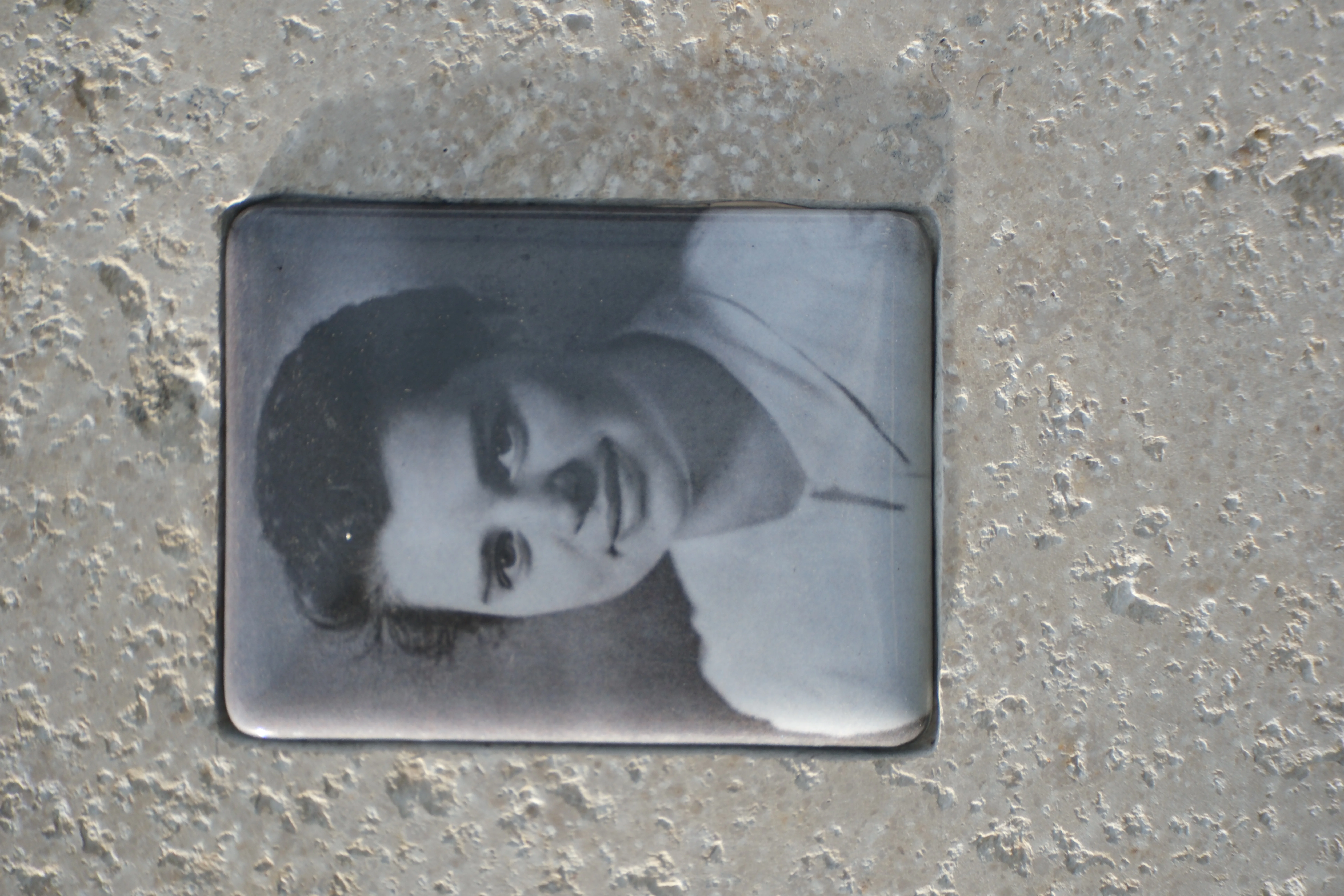
Image from Wikipedia
Image from Wikipedia
Maria Imma Mack – the Silent Heroine of Dachau and a Life Marked by Courage and Faith
A nun who did great things in the shadows of history
Maria Imma Mack, born Josefa Mack on February 10, 1924, in Möckenlohe near Eichstätt and died on June 21, 2006, in Munich, is one of those personalities whose significance is not shown in loud gestures, but in consistent humanity. As a nun of the Congregation of the Poor School Sisters of Our Lady in Munich, she secretly helped prisoners of the Dachau concentration camp during the last months of the war. Under the alias “Mädi,” she provided them with food, letters, and liturgical items, risking her own life in the process.
Her name stands for civil courage, care, and quiet resistance against an inhumane system. The story of Maria Imma Mack is not one of a public career, but of a moral stance that acted out of conviction. For this reason, her life still holds cultural and historical significance today.
Childhood and Early Influences
Josefa Mack grew up in a Catholic environment in Möckenlohe, a place near Eichstätt. She decided early on to join the community of the Poor School Sisters and entered the candidacy at the age of 16. In 1940, she began her training as a handicrafts teacher, becoming part of a life path that connected education, religious commitment, and practical charity.
These early years are central to understanding her later actions. The combination of discipline, spiritual influence, and social responsibility shaped a personality that would not back down in extreme cases. Maria Imma Mack later did not act spontaneously, but from a deeply rooted foundation of values.
The Path to Dachau: Courage at the Risk of Life
From May 1944 to April 1945, Maria Imma Mack traveled regularly to the Dachau concentration camp, in summer by bicycle and in winter with a sled that she pulled. The journey from Freising to Dachau was arduous, the train connections poor, yet she persisted in making these trips with great determination. Under the pretext of buying flowers, she brought food, letters, and other assistance to the inmates.
The support also included religious items such as altar wine, hosts, and eventually even the holy oils and blessing texts. Sources from the congregation of the School Sisters report that she acted with the knowledge and support of the congregational leadership and made approximately 60 trips. Knowing that such assistance could be punishable by death makes her commitment an extraordinary form of resistance.
Religious Life After the War
After the end of World War II, Josefa Mack entered the novitiate of the Congregation of the Poor School Sisters of Our Lady in Munich and took the religious name Maria Imma. This marked the beginning of her official life as a sister within the community that had already shaped her before the war. Her path did not lead to the public eye but to a life of religious devotion and quiet service.
Her membership in the congregation provides more than a formal framework for her biography. It explains why her actions were both practically and spiritually motivated. Maria Imma Mack combined care with faith and made her conviction visible in one of the darkest phases of German history.
Commemoration, Recognition, and Historical Significance
Today, Maria Imma Mack is remembered as the "Angel of Dachau," a designation that encapsulates her historical role. Her life is commemorated in Dachau, Munich, and her home region; even a path in Munich bears her name. Such forms of remembrance show that her courage possesses not only biographical significance but has also entered local memory culture.
Her story simultaneously points to the often-overlooked role of women in resistance and humanitarian aid during the Nazi era. Maria Imma Mack exemplifies those who did not seek a political stage but took an ethical stand against the terror regime through concrete actions. This is where her historical authority lies.
Documented Sources and Contextualization
The available sources paint a clear picture: Maria Imma Mack was born on February 10, 1924, lived until her death in 2006, and helped prisoners of the Dachau concentration camp at great personal risk during the last months of the war. In particular, the documents from the Dachau memorial site and the publications of the Poor School Sisters confirm her path between religious life and active assistance. Regional memorial sites and church publications also support this portrayal.
For a serious biography, it is crucial to distinguish between documented facts and later memories. In the case of Maria Imma Mack, the central stations are well documented: her origins, entry into the congregation, assistance for Dachau prisoners, religious name, and death in Munich. This creates the image of a woman whose achievements gain weight through her humility.
Cultural Influence and Lasting Relevance
Maria Imma Mack is not an artist in the classical sense, yet her life story possesses strong cultural resonance. She belongs to the women who acted on moral grounds and whose biography extends beyond religious history into the memory of resistance against National Socialism. Her example shows how individual responsibility can acquire historical dimensions.
At a time when biographical role models are often defined by their media presence, her life path stands out impressively. Maria Imma Mack represents a quiet form of greatness: for her willingness to help without self-promotion, for faith without pathos, and for courage without staging. Those who engage with her encounter a personality whose significance lies in the consistency of her actions.
Conclusion: Why Maria Imma Mack Resonates to This Day
Maria Imma Mack fascinates because her life shows how much strength can lie in determination, compassion, and inner stance. With her trips to Dachau, she bridged the distance between protection and danger, between conscience and injustice, between religious duty and historical reality. Her name remains associated with the courage to have stood by people in dire need.
Anyone interested in contemporary history, women's biographies, and moral resistance during the National Socialist era should remember Maria Imma Mack. Her story deserves attention because it not only documents but also inspires. A visit to the memorial sites and an engagement with her life make visible how significant quiet heroines are for historical memory.
Official Channels of Maria Imma Mack:
- Instagram: no official profile found
- Facebook: no official profile found
- YouTube: no official profile found
- Spotify: no official profile found
- TikTok: no official profile found
Sources:
- Wikipedia – Maria Imma Mack
- Dachau Memorial Site – Short Biography of Imma Mack
- Poor School Sisters – Sr. Imma Mack (Mädi)
- Poor School Sisters – Josefa Mack / Sister Maria Imma Mack
- SSND Congregational Website – Sister M. Imma Mack
- City History Munich – Imma-Mack-Weg
- Wikipedia: Image and text source