
Lady
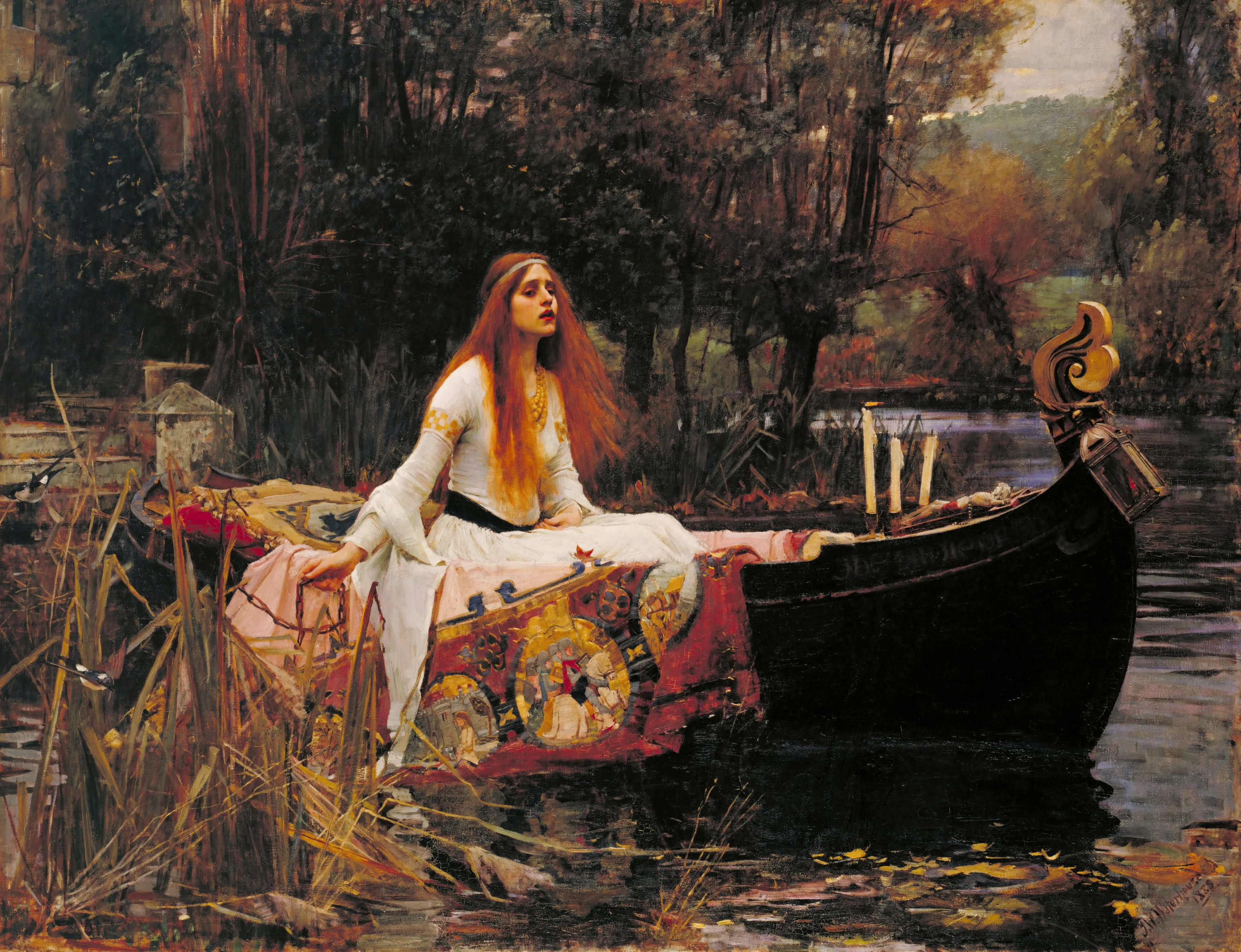
Image from Wikipedia
Image from Wikipedia
Lady: Origins, Meaning, and Cultural Impact of a Timeless Title
A Term Between Nobility, Language, and Pop Culture
“Lady” is not an artist name in the classical sense, but a historically grown title and a polite form of address for a woman. The term traditionally refers in the United Kingdom to the wife of a lord, baronet, or knight, and in certain cases also to the daughter of a peer or to a peeress in her own right. Over time, “Lady” evolved into a more general and respectful designation that remains present in language, everyday culture, and symbolism to this day. ([de.wikipedia.org](https://de.wikipedia.org/wiki/Lady))
This very complexity makes “Lady” a culturally fascinating term: it connects feudal history, social conventions, and linguistic elegance. The designation simultaneously appears noble, steeped in tradition, and remarkably adaptable. In the English language, a word has developed that ranges from courtly contexts to modern everyday discourse. ([de.wikipedia.org](https://de.wikipedia.org/wiki/Lady))
Historical Roots and Linguistic Development
The etymology of “Lady” points to Old English and to an original meaning symbolically linked with household management, provision, and social standing. In German, the term was adopted in the 18th century according to Wikipedia; in the 19th century, derived forms such as “ladylike” emerged. This development illustrates how a title from the courtly realm diffused into modern language, acquiring new connotations in the process. ([de.wikipedia.org](https://de.wikipedia.org/wiki/Lady))
In historical usage, “Lady” referred not only to an individual person but also to a role model. The designation stood for elegance, social authority, and controlled self-presentation. At the same time, it was later democratized and could be used as a respectful address for women in general, without completely losing its original reference to noble titles. ([de.wikipedia.org](https://de.wikipedia.org/wiki/Lady))
From Court Language to Everyday Usage
Especially interesting is the transition of “Lady” from an exclusive title of nobility to a term of everyday language. Today, the word is encountered in phrases such as “Ladies and Gentlemen,” on signs, or as a general polite address for a woman. This broadening shows how greatly language responds to social changes and how a once-aristocratic title could become an international code of politeness. ([de.wikipedia.org](https://de.wikipedia.org/wiki/Lady))
In cultural memory, “Lady” remains associated with notions of style, etiquette, and dignity. The word conveys a delicate balance between distance and recognition. Exactly therein lies its longevity: it is not merely a historical remnant, but a continually productive sign for social codes and cultural self-presentation. ([de.wikipedia.org](https://de.wikipedia.org/wiki/Lady))
“Lady” in Music and Pop Culture
In popular usage, “Lady” has long transcended being just a title. The term appears in song titles, band names, character names, and stylistic self-assignments because it instantly evokes associations of glamour, confidence, and classical elegance. The word possesses a strong semantic openness: it can seem distant, ironic, elegant, or consciously exaggerated. ([de.wikipedia.org](https://de.wikipedia.org/wiki/Lady))
Especially in pop culture, “Lady” often serves as a projection surface for identity and aesthetics. The term is used to mark authority and femininity, but also to create contrasts between tradition and modernity. This ambivalence explains why “Lady” keeps appearing in various genres and contexts and remains relevant. ([de.wikipedia.org](https://de.wikipedia.org/wiki/Lady))
Key Areas of Meaning: Nobility, Respect, Symbolism
The classical meaning of “Lady” is closely linked to the British nobility. There, the word serves as an address for noble women and is connected to its male counterpart “Lord” or “Sir.” It was even the title of the English queen and princesses. Thus, “Lady” belongs to those terms that linguistically make social hierarchies visible. ([de.wikipedia.org](https://de.wikipedia.org/wiki/Lady))
Today, the word simultaneously represents respect and convention. In modern contexts, “Lady” can characterize a woman as noble, polite, or stylish, sometimes with a touch of nostalgic elegance. This dual function of historical tradition and everyday usability makes the term exceptionally robust. ([de.wikipedia.org](https://de.wikipedia.org/wiki/Lady))
Why “Lady” Remains Relevant Today
A term does not survive merely through its archival value, but through cultural reuse. “Lady” is a prime example of how a word can traverse different social spaces over centuries: nobility, colloquial language, pop culture, and symbolic language. The continuity arises from the connection of prestige and comprehensibility. ([de.wikipedia.org](https://de.wikipedia.org/wiki/Lady))
For readers seeking an artist profile, it is important to note: the Wikipedia text presented does not describe a musician, but rather a title for women and a form of address. Therefore, no substantial claims regarding musical career, discography, stage presence, or current releases can be derived from this material. ([de.wikipedia.org](https://de.wikipedia.org/wiki/Lady))
Classification for Searchers and Music Fans
Those who suspect a specific artist name under “Lady” quickly encounter various possible results and semantic confusions. Web searches for this term primarily yield other, not definitively fitting results, such as related artist names or other “Lady” terms. A verifiable official artist profile of a clearly identifiable musician with this exact name could not be reliably confirmed from the search results. ([linktr.ee](https://linktr.ee/Ladyva?utm_source=openai))
From a journalistic perspective, the result is nonetheless interesting, as it shows how culturally charged a single word can be. “Lady” does not represent a typical discography, but rather a term imbued with social history, linguistic depth, and persistent presence in public consciousness. Its real fascination lies not in an artist catalog, but in the cultural echo. ([de.wikipedia.org](https://de.wikipedia.org/wiki/Lady))
Conclusion: A Small Word with a Great History
“Lady” is a term that has far surpassed its courtly origins. It tells of nobility and etiquette, of linguistic elegance and social change, of tradition and modern everyday usage. To understand this word is to comprehend a piece of European cultural history and the remarkable adaptability of language. ([de.wikipedia.org](https://de.wikipedia.org/wiki/Lady))
“Lady” remains intriguing because it feels both classic and contemporary. The term has endured through generations because it encapsulates dignity, style, and cultural memory in just four letters. Those interested in language history, cultural change, and the power of terms will find “Lady” to be a perpetually fascinating topic. ([de.wikipedia.org](https://de.wikipedia.org/wiki/Lady))
Official Channels of Lady:
- Instagram: No official profile found
- Facebook: No official profile found
- YouTube: No official profile found
- Spotify: No official profile found
- TikTok: No official profile found
Sources:
Upcoming Events
Lady Lords & Company
Moments FESTIVAL
Saxophone Concert with Vlady Bystrov
Lady Lords & Company
"Strong Women" - Panel Discussion
Lady Relax
Three Days of New Music Braunschweig 2026 Confrontations – Topography of Breaks
Vernissage for the Exhibition – Lady Swan

Lady Relax