
Sebastian Balthasar
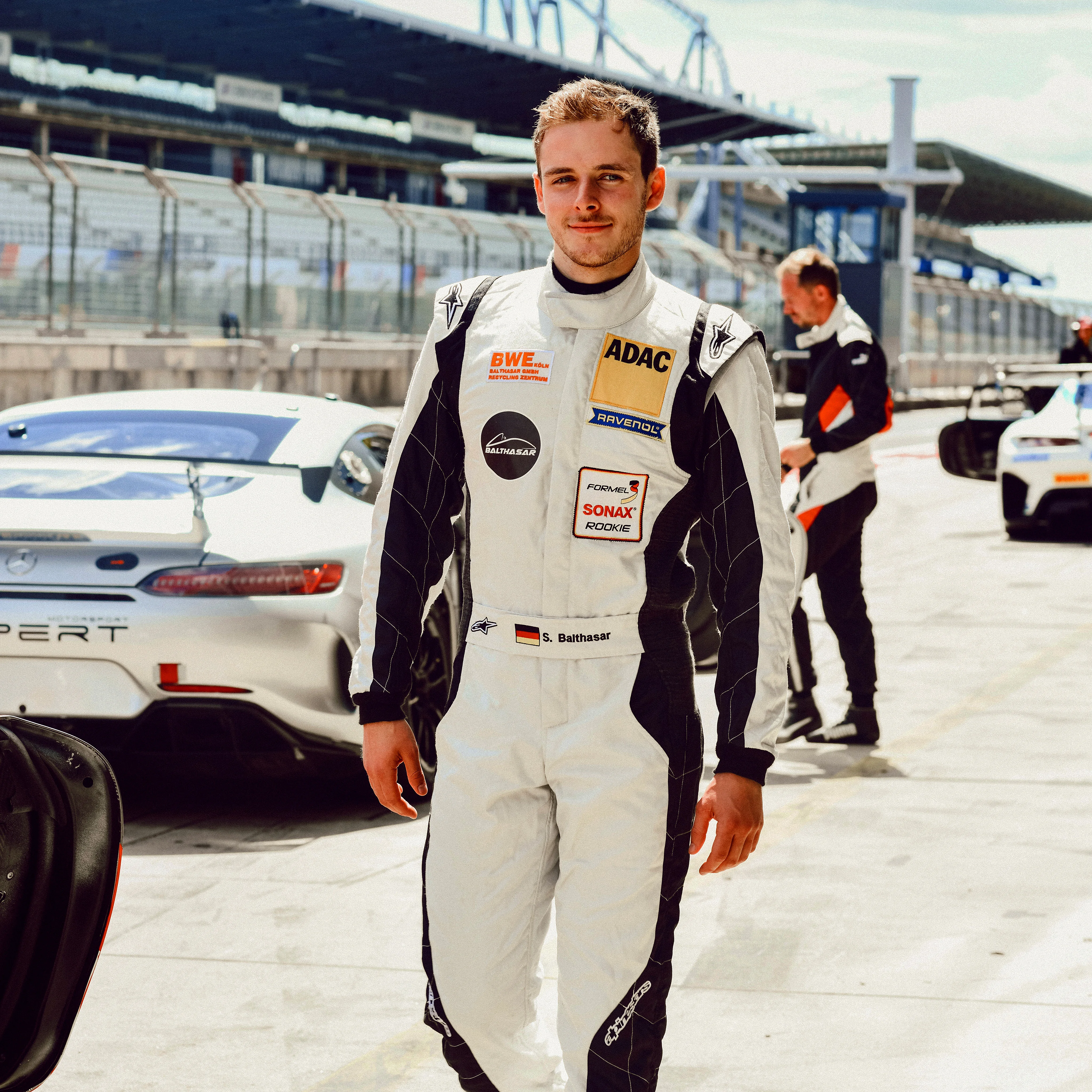
Image from Wikipedia
Image from Wikipedia
Sebastian Balthasar: The German Racing Driver with Speed, Precision, and a Clear Career Goal
A young German who worked his way into motorsport early on
Sebastian Balthasar, born on August 30, 1996, in Dormagen, belongs to that generation of German racing drivers who have carved their path through discipline, early support, and hard work in karting. His career began as early as 2006 in karts, before he permanently entered the karting scene in 2008, laying the foundation for his later career in formula racing. The early specialization in racing techniques, vehicle control, and race tactics significantly shaped his further development. (de.wikipedia.org)
Biography and early years in motorsport
The first years of Sebastian Balthasar read like a typical yet impressive youth biography in modern motorsport: early at the wheel, early in competition, early under performance pressure. He remained active in karting until 2012, winning the German ADAC Kart Masters championship among other titles. This success marked not just a title but also the transition from the talent level into the structured world of formula racing. (de.wikipedia.org)
The switch from karts to formula cars required a new kind of precision. While karting primarily values reaction speed and racing toughness, the formula sport involves more setup work, aerodynamics, tire management, and strategic driving. Balthasar made this transition in 2012 with G&J/Schiler Motorsport in the ADAC Formula Masters, where he gathered his first racing kilometers at a higher level. With a fourth place as his best result and rank 13 in the overall standings, he laid a solid foundation for the next stage of his music career? No: for his motorsport career, which now became noticeably more professional. (de.wikipedia.org)
The leap into formula racing
In 2013, Sebastian Balthasar moved to GU-Racing in the German Formula 3 Cup. There he took a remarkable step forward: with a fourth place as his best individual result, he finished the season ranked tenth in the driver standings and simultaneously won the German Formula 3 Trophy championship. In the language of motorsport, this is a clear signal: not just a mere participant is evolving here, but an athlete with substance, understanding, and ambition. (de.wikipedia.org)
The reporting from this phase painted a picture of a young driver who processed pressure into performance. In an interview after winning his trophy, Balthasar emphasized how important teamwork and the right car setup had been. Such statements are typical for the transition from talent to professional driver: the driver no longer thinks only in lap times but in development processes, communication, and fine-tuning. (racecar.com)
2014: Formula Acceleration 1 and GP3 as tough tests
The year 2014 brought two challenging platforms for Balthasar. In Formula Acceleration 1, he raced for the German team managed by Performance Racing, achieving three third-place finishes and securing fourth place in the driver standings. Additionally, he competed for Hilmer Motorsport in five race weekends of the GP3 series, a series known for its competitiveness within the formula racing environment. This dual burden highlights how quickly his career evolved into high-class structures. (de.wikipedia.org)
Although Balthasar ended the 2014 GP3 season without any points, merely participating in this environment was a significant performance test. The results showcase starts, failures, and an intense learning environment that often teaches young drivers more than a smooth season. Motorsport at this level is never just about results management, but always a test of resilience, technical adaptability, and racing instinct. (de.wikipedia.org)
Return to GT racing and new challenges
Since the 2020 season, Sebastian Balthasar has been racing for Leipert Motorsport in the Lamborghini Super Trofeo Europe for the brand championship. This shift has transformed his profile from a traditional formula driver to one who remains competitive in the GT and brand trophy environment. Transitioning to this series requires different qualities: longer stints, more weight, different vehicle balance, and a new understanding of race rhythm. (de.wikipedia.org)
Reports from the Lamborghini Super Trofeo Europe environment continue to mention Balthasar as an active driver in this program. This underscores that his career is not limited to a short formula phase but has expanded into various racing classes. In modern motorsport, this versatility is a sign of adaptability and long-term competitiveness. (newyorkstyleguide.com)
Driving style, racing understanding, and athletic development
The verifiable results show a driver who has continuously gained experience beyond the youth category. Balthasar initially excelled in karting, then with a title in the Formula 3 Trophy, followed by solid results in FA1 and GP3 level participation. This development represents a classic yet demanding rise: from direct duels in karts through technical fine-tuning in formula racing to more complex racing formats under higher professional pressure. (de.wikipedia.org)
His career also exemplifies how crucial consistency is in motorsport. Not every driver writes their story solely through victories; often, the ability to maintain one's position in the field, leverage learning curves, and seize opportunities across various series counts. Balthasar embodies this form of quiet yet resilient development, which is just as valuable in racing as spectacular moments. (de.wikipedia.org)
Cultural context and public perception
In German-language motorsport reporting, Sebastian Balthasar is primarily described as a young talent who quickly made his mark on the racetracks and developed step by step. Such careers hold cultural value because they demonstrate how motorsport in Germany has spawned its own educational culture through kart tracks, formula series, and brand trophies. Balthasar's path points to this system of support, teamwork, and international competition. (speedsport-magazine.de)
Even though he is neither a pop star nor a musician, his career follows a similar narrative to a credible artist's journey: early practice, tough tests, a notable breakthrough in the youth sector, and a continual search for the next stage. In motorsport, this stage is not a concert hall but the starting grid, pit lane, and checkered flag. It is right there that Sebastian Balthasar writes his story. (de.wikipedia.org)
Conclusion: What makes Sebastian Balthasar exciting
Sebastian Balthasar impresses as a driver whose career is characterized by early talent, consistent development, and serious racing work. From karting through the ADAC Formula Masters and the German Formula 3 Cup to GP3 and Lamborghini Super Trofeo Europe, he demonstrates a career with a clear trajectory and genuine athletic profile. Those who appreciate motorsport with technical finesse and career resilience will find in Balthasar a driver whose path is more than just statistics. (de.wikipedia.org)
It is precisely the blend of titles, learning phases, and the transition between various racing formats that makes him interesting. Sebastian Balthasar embodies that type of racing driver who cannot be reduced to a single moment but works on speed, precision, and racing experience over the years. Motorsport fans should follow his upcoming races closely and witness him where his skills become most visible: on the track. (business-standard.com)
Official channels of Sebastian Balthasar:
- Instagram: No official profile found
- Facebook: No official profile found
- YouTube: No official profile found
- Spotify: No official profile found
- TikTok: No official profile found
Sources:
- Wikipedia – Sebastian Balthasar
- Speedsport Magazine – Sebastian Balthasar: Racing Driver Biography
- Racecar – Interview with ATS Formula 3 Cup champion Sebastian Balthasar
- Business Standard – German Balthasar takes pole position in MRF Challenge series
- New York Style Guide – Lamborghini Super Trofeo Europe Misano Race 1 Victory
- Lamborghini Squadra Corse – Media Information
- Wikipedia: Image and text source