
Robert Kreis
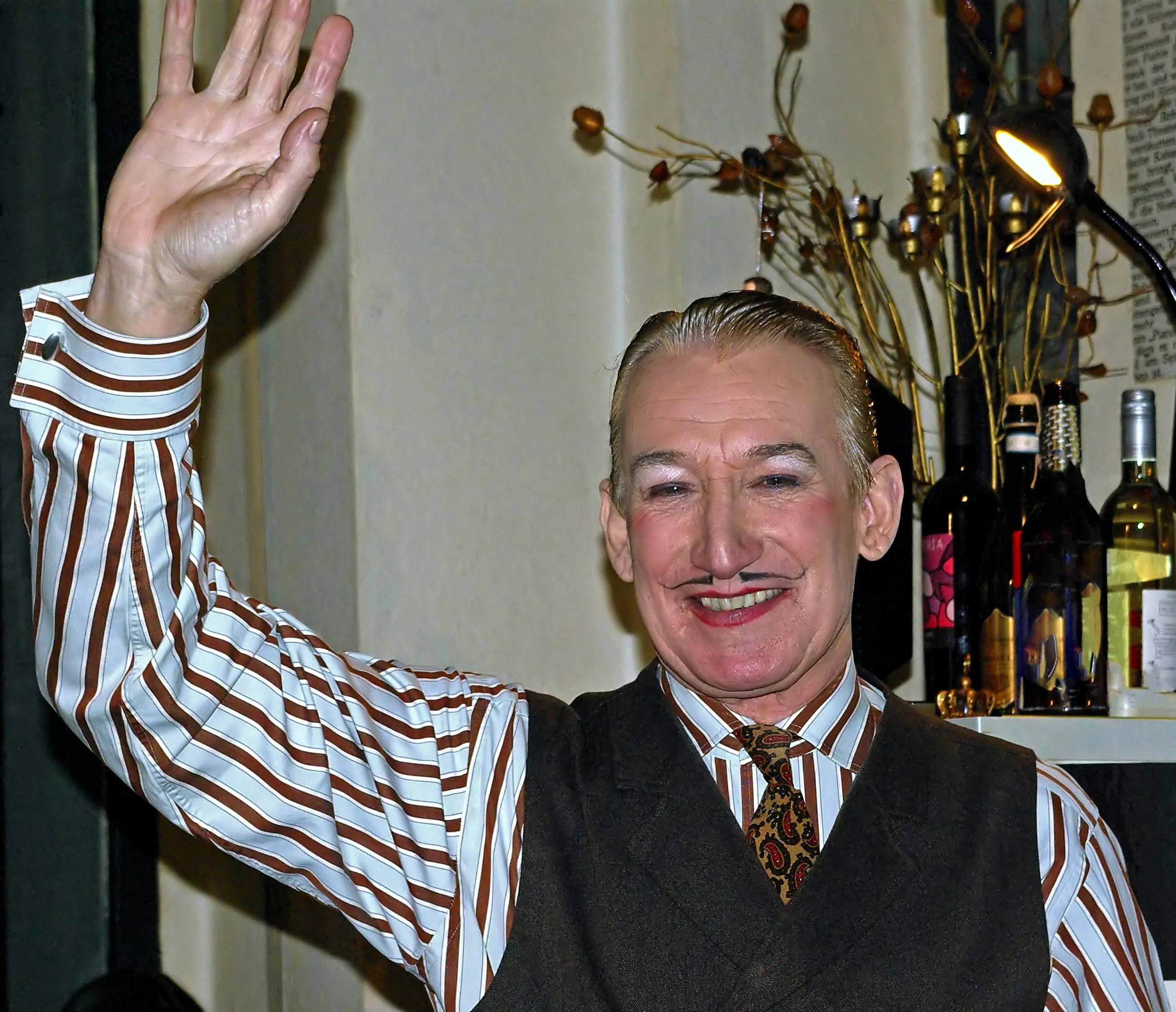
Image from Wikipedia
Image from Wikipedia
Robert Kreis – The Elegant Guardian of the Golden Twenties
An Entertainer Between Piano, Cabaret, and Cultural Memory
Robert Kreis, born on May 10, 1949, in Bandung, Indonesia, is a Dutch cabaret artist, pianist, and entertainer who has been performing for decades with a distinctive stage presence. His name is synonymous with a cabaret that not only quotes music history but keeps it alive: with piano, wordplay, charm, and a keen sense of the atmosphere of the 1920s and 1930s. As one of the defining figures of the 20s retro wave, he has transformed nostalgic retrospection into an independent art form. His Menjou mustache is as much a trademark as his elegant, ironic style. ([de.wikipedia.org](https://de.wikipedia.org/wiki/Robert_Kreis))
Biographical Roots and Early Musical Influences
Kreis was musically influenced from an early age: his grandmother was a jazz pianist and bandleader of a women's orchestra, and this family closeness to music laid the foundation for his later artistic development. He graduated high school in the Netherlands, then worked as a steward on cruise ships where he gained his first performance experiences. He eventually found the decisive path into professional cabaret through a cabaret school, where his music career merged with his sense for performative storytelling. Since 1980, he has been dedicated to the entertainment era of the 1920s and 1930s with solo and orchestral programs. ([de.wikipedia.org](https://de.wikipedia.org/wiki/Robert_Kreis))
The Breakthrough as a Stylistic Voice of the Retro Renaissance
Robert Kreis is considered one of the fathers of the 20s retro wave that emerged in the 1980s, alongside figures like Max Raabe and Henry de Winter. His artistic profile sharpened through a consistent focus on the lyrics, compositions, and stage culture of the Weimar era. Already in the early 1980s, he established himself on German-speaking stages with programs that presented historical entertainment not as a museum piece but as pointed and relevant. This is precisely where his breakthrough lies: in translating a past era into a lively, contemporary cabaret experience. ([de.wikipedia.org](https://de.wikipedia.org/wiki/Robert_Kreis))
Stage Programs Between Elegance, Irony, and Social Critique
His defining stage programs include Jubilee, Das frivole Grammophon, Verehrt, Verfolgt, Vergessen, and Robert Kreis und seine Jazz-Sextanten. These shows showcase the range of his repertoire: linguistically refined cabaret, musical reconstruction, satirical exaggeration, and cultural-historical remembrance. Particularly Verehrt, Verfolgt, Vergessen focuses on those Jewish artists silenced by the Nazis. Kreis intertwines entertainment and remembrance in a way that restores dignity and urgency to the historical material. ([de.wikipedia.org](https://de.wikipedia.org/wiki/Robert_Kreis))
In the press, he is also described as an artist who captivates with the simplest means, without ever coming across as hurtful. The press reviews gathered on his official website paint a picture of an "all-round entertainer" who works with wit, quick-thinking, and charm, always maintaining a balance between brilliance and self-irony. This combination is what makes his stage presence consistently impactful: he evokes past entertainment cultures without slipping into mere nostalgia. His cabaret, therefore, is not only historically informed but also formally precise and surprisingly contemporary. ([robert-kreis.com](https://www.robert-kreis.com/))
Discography: Sound Documents of a Unique Career
The published discography of Robert Kreis is modest but clearly related to his stage work. The mentioned CDs include Pianola 3 (1990), Alles weg’n de Leut (1992), Es ist alles Komödie with the “Extravaganten” (1996), Blitzlichter der Zeit (2002), Verehrt, verfolgt, vergessen (2004), and 25 Jahre Nostalgie Jubilee (2004). These releases are less about classic pop or chart albums and more about sound documents of a career based on stage, text, and interpretation. They reflect his ambition to shape musical cabaret as a form of memory culture. ([de.wikipedia.org](https://de.wikipedia.org/wiki/Robert_Kreis))
The discography also highlights how consistently Kreis has defined his artistic terrain. Instead of relying on short-term trends, he focuses on repertoire, character, and recognizability. His works document a musical storytelling that consists of songs, couplets, conferences, and piano-supported entertainment. This very blend gives his work authority: it represents a well-crafted stage aesthetic, not a casual retro trend. ([de.wikipedia.org](https://de.wikipedia.org/wiki/Robert_Kreis))
Critical Reception and Cultural Influence
Robert Kreis has established himself as a guardian and mediator of often underestimated entertainment culture. In approximately 8,000 performances since 1973, he has kept the memory of Jewish artists from the 1920s and 1930s alive, bringing their texts and compositions to the stage and breathing new life into them. For this contribution to German cultural history, he was awarded the Federal Cross of Merit on March 29, 2023. This honor underscores that his work extends far beyond entertainment and can be understood as a cultural mediation effort. ([de.wikipedia.org](https://de.wikipedia.org/wiki/Robert_Kreis))
His artistic self-conception is also a part of this impact: Kreis consciously remains close to the historical language, the elegance of the delivery, and the subtle irony of the era he embodies. He represents entertainment that is neither loud nor arbitrary but stylistically concentrated and content-wise precise. His influence is evident in the way the 20s aesthetic has received a new, respectful, and simultaneously cheerful approach in the German-speaking world, largely due to him. Thus, he ranks among the most important voices of that cabaret tradition that intertwines music, history, and personality. ([de.wikipedia.org](https://de.wikipedia.org/wiki/Robert_Kreis))
Current Projects and Ongoing Stage Presence
Even more recently, Robert Kreis remains prominent. His official website points to current tour dates and emphasizes that he is back on the road with new anecdotes and programs after the Corona years. Additionally, he continues to appear in current cultural programs, including event announcements for 2026 that showcase him with piano and vocals in the context of 1920s songs. This indicates that his artistic work is not stagnant in the archives but is continuously updated on stage. ([robert-kreis.com](https://www.robert-kreis.com/))
Thematically, his focus remains unchanged: the Golden Twenties, Weimar entertainment culture, and the question of why these songs, punchlines, and role models continue to resonate today. This is precisely where the strength of his repertoire lies. It combines historical precision with vivid performance, turning every performance into a musical-theatrical journey through time. For lovers of cabaret history, piano humor, and stylish stage art, Robert Kreis is therefore more than just a nostalgic reference – he is an enduring experience. ([robert-kreis.com](https://www.robert-kreis.com/))
Conclusion: Why Robert Kreis Continues to Fascinate Today
Robert Kreis is fascinating because he does not simply reproduce the past; he translates it into a contemporary form of music theater. His music career combines thoughtful repertoire curation, precise expression, and a deep cultural memory. Those who experience him encounter an artist who, with piano, voice, and attitude, evokes an entire era while always remaining human, elegant, and distinctive. Live, this art unfolds its full effect – as pointed cabaret, as a historical echo, and as a charming invitation to hear the 1920s and 1930s anew. ([de.wikipedia.org](https://de.wikipedia.org/wiki/Robert_Kreis))
Official Channels of Robert Kreis:
- Instagram: no official profile found
- Facebook: https://www.facebook.com/robbKreis/
- YouTube: no official profile found
- Spotify: no official profile found
- TikTok: no official profile found
Sources:
- Robert Kreis – Official Website
- Wikipedia – Robert Kreis
- Facebook – Robert Kreis
- Rhein-Zeitung – Entertainer Guest in Koblenz, 2024
- WELT – A Flying Dutchman Comes Aboard
- Der Tagesspiegel – Federal Cross of Merit for Robert Kreis, 2023
- Berliner Morgenpost – Robert Kreis: Commitment to Persecuted Artists of the 20s, 2023
- Rolling Stone – 20s Entertainer Robert Kreis
- Wikipedia: Image and text source