
Titus Müller
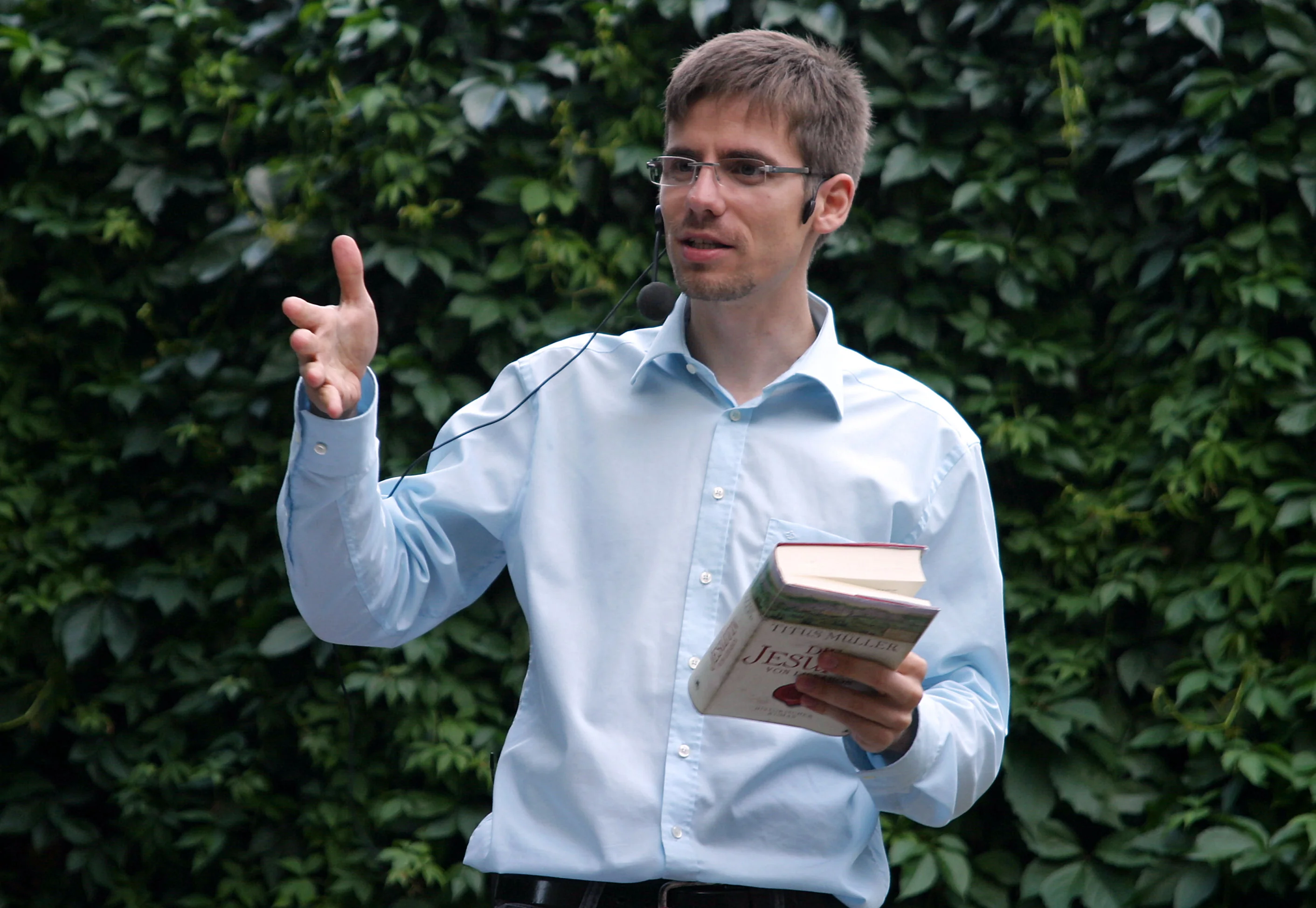
Image from Wikipedia
Image from Wikipedia
Titus Müller: The Chronicler of History, Connecting Historical Novels with Tension and Heart
An Author Who Breathes Life into the Past
Titus Müller, born on October 15, 1977, in Leipzig, is one of the defining contemporary German authors when it comes to historical novels characterized by narrative vigor and exact research. His books intertwine personal fates with significant historical upheavals, making contemporary history immediately accessible to a wide audience. The emphasis is not merely on retelling historical facts, but on the literary condensation of atmosphere, conflict, and character. ([de.wikipedia.org](https://de.wikipedia.org/wiki/Titus_M%C3%BCller?utm_source=openai))
Biography: From Leipzig to Literary Prominence
Titus Müller’s literary journey is closely tied to an attitude that views historical material not as a dusty archive but as a vibrant field of experience. According to his official author page, he currently lives with his family in Landshut, is a member of the PEN Club, and has been awarded multiple times for his novels. These milestones illustrate an author who is defined not just by bestseller success but also by literary recognition and continuous effort in his craft. ([titusmueller.de](https://www.titusmueller.de/autor.html?utm_source=openai))
His work frequently revolves around epochs where political systems, personal loyalties, and moral decisions collide. It is precisely from these conflicts that his prose derives the tension many readers appreciate in his novels. The official website emphasizes that Müller tells history in stories—a phrase that precisely articulates his poetics. ([titusmueller.de](https://www.titusmueller.de/presse.html?utm_source=openai))
Career: Historical Novel as Narrative Art
His career is marked by a distinct dramaturgical style: carefully researched historical backdrops, strong characters, and a narrative pull that makes even complex timelines readable. This is particularly evident in novels like “Tanz unter Sternen,” where individual desire stands against the backdrop of historical crises. Critics regularly highlight how Müller intertwines fact and fiction to create an atmospheric portrait of the respective era. ([titusmueller.de](https://www.titusmueller.de/press.html?utm_source=openai))
The press reviews on his official page also present a clear picture: The Bavarian Broadcasting Corporation praises his talent for conveying history through stories, while other media emphasize his ability to transform historical material into vibrant, emotionally tangible literature. Through this, Müller has earned a solid place in the field of German-language historical novels. His books function not only as entertainment but also as accessible approaches to complex historical constellations. ([titusmueller.de](https://www.titusmueller.de/press.html?utm_source=openai))
Current Projects: New Material, New Editions, and Historical Themes
Titus Müller continuously documents new projects and current publications on his official website. For 2024 and 2025, the book page lists new and revised editions as well as contemporary novels and non-fiction works, including “Das verborgene Weihnachtskind,” “Das Glück hat kleine Schokofinger” in a new edition, and other titles from his narrative and reflective prose. This timeliness indicates that Müller does not just manage his themes but regularly refines and revises them. ([titusmueller.de](https://www.titusmueller.de/buecher.html?utm_source=openai))
In spring 2025, he announced a new book about traveling by train, describing how large parts of his books were created during train journeys. In May 2026, he also spoke about a current novel in which a character stands between East and West, ideology and loyalty, family and the state apparatus. The announcement of the Polish edition of “Die fremde Spionin” also belongs to these current international movements of his work. ([titusmueller.de](https://titusmueller.de/?utm_source=openai))
Discography? With Titus Müller, the Bibliography Counts
As Titus Müller is not a musician but a writer, he does not have a discography but rather an extensive bibliography of novels and non-fiction works. His prominent works include historical novels like “Tanz unter Sternen,” “Nachtauge,” and the later trilogy concerning German post-war history and division titled “Die fremde Spionin,” “Das zweite Geheimnis,” and “Der letzte Auftrag.” These books showcase an author who intertwines historical themes with thriller elements, love stories, and political tension. ([de.wikipedia.org](https://de.wikipedia.org/wiki/Titus_M%C3%BCller?utm_source=openai))
Additionally, he has written non-fiction and narrative books related to everyday life and faith, for example, on family life, happiness, or Advent and Christmas themes. The official book page also mentions new editions, revised versions, and added texts, indicating a careful maintenance of his works. Müller is thus not only working on new stories but also on the lasting relevance of existing texts. ([titusmueller.de](https://www.titusmueller.de/buecher.html?utm_source=openai))
Critical Reception: Precision, Atmosphere, and Narrative Lightness
The reception of his work has been positive for years, highlighting three main aspects: historical accuracy, atmospheric density, and readability. Press reviews on the official website and in the press section commend his art of weaving characters and historical details together to create novels that do not pit tension against education. This balance has made Titus Müller an author who is recognized both by literary critics and a broad reading audience. ([titusmueller.de](https://www.titusmueller.de/press.html?utm_source=openai))
In a review on literaturkritik.de, it is noted that Müller, with “Tanz unter Sternen,” shows relative immunity to the cultural historical overload of his motif while combining lively character portrayal with plausibly motivated plot development. Other voices describe artfully intertwined threads, an “atmospheric portrait of the time,” and novels that translate historical reality into narrative energy. Such evaluations support his reputation as an author who brings together research and tension at a high level. ([literaturkritik.de](https://literaturkritik.de/id/17538?utm_source=openai))
Cultural Influence: History as a Contemporary Issue
Titus Müller is particularly strong when he tells historical themes in ways that render them relevant to the present. His novels about dictatorship, division, war, and post-war society not only shed light on past systems but also on the fragility of truth, trust, and personal decision. This is exactly where his cultural value lies: he makes historical complexity not abstract but tangible. ([titusmueller.de](https://titusmueller.de/?utm_source=openai))
The fact that his books continue to live on in various formats, are released in new editions, and are translated internationally speaks to a lasting resonance. The author combines literary accessibility with thematic depth—a combination that is rarely pursued so consistently in the German-language literary scene. His works invite readers to not only read history but to understand it anew in its moral and emotional tensions. ([titusmueller.de](https://www.titusmueller.de/?utm_source=openai))
Conclusion: An Author for Readers Who Want to Experience History Intensely Rather Than Dully
Titus Müller remains intriguing because he writes historical novels not as museum pieces but as vibrant literature with pulse, conflict, and empathy. His blend of thorough research, narrative clarity, and emotional closeness makes him an author one does not merely read but follows through the pages. Those who love literature that tells contemporary history sensibly and sensually will find in his work a strong, reliable, and stylistically confident narrator. ([titusmueller.de](https://www.titusmueller.de/press.html?utm_source=openai))
Anyone who experiences Titus Müller live—at readings, discussions, or book presentations—encounters an author who conveys his material with remarkable presence and enthusiasm. This very strength of his work is evident: history is not explained by him but told, condensed, and made experiential. This makes his books and appearances a worthwhile invitation to all who seek literature with depth. ([titusmueller.de](https://www.titusmueller.de/press.html?utm_source=openai))
Official Channels of Titus Müller:
- Instagram: no official profile found
- Facebook: https://www.facebook.com/titus.mueller
- YouTube: no official profile found
- Spotify: no official profile found
- TikTok: no official profile found